


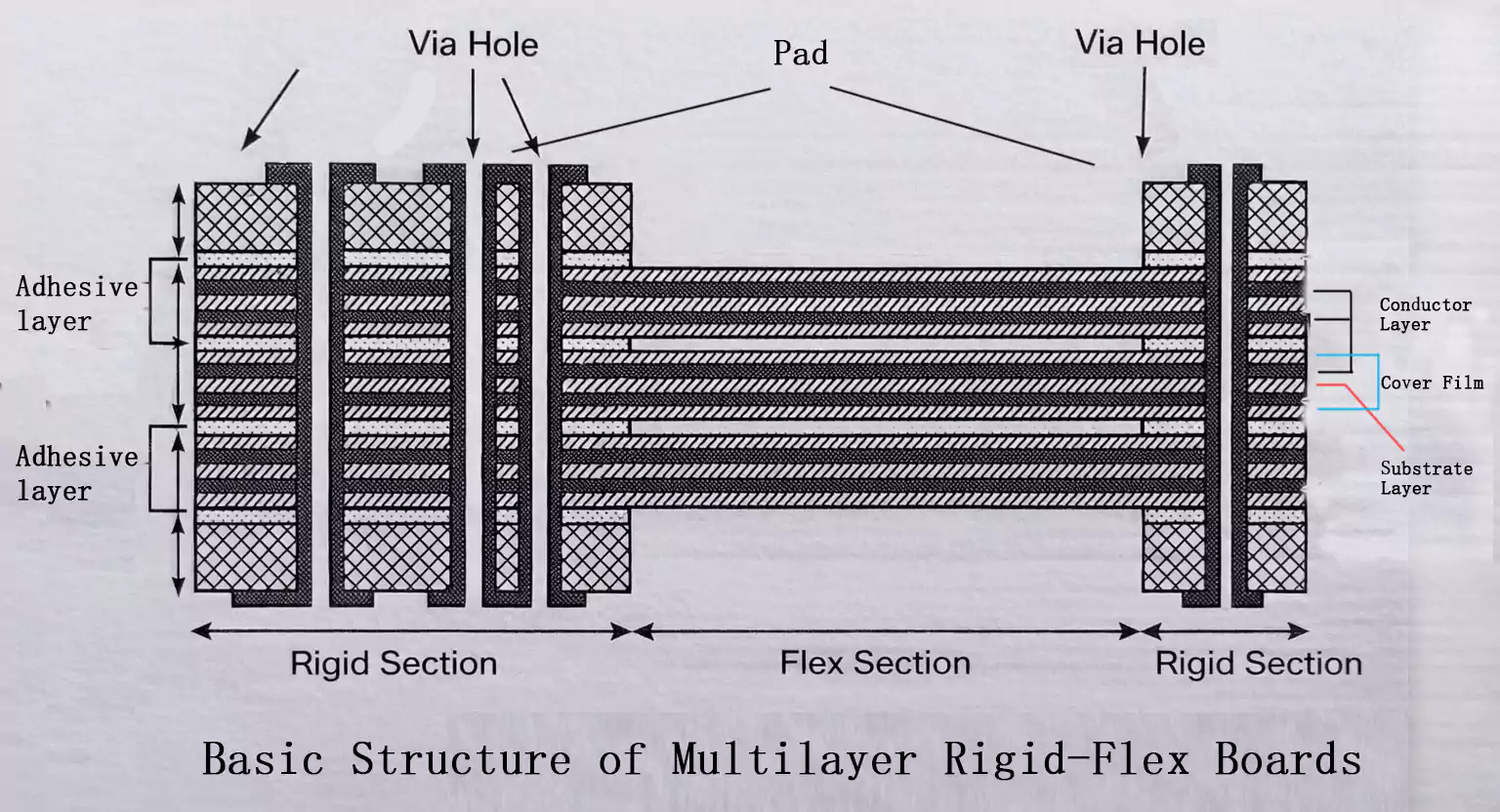
Selecting the right PCB (Printed Circuit Board) material is critical for ensuring the performance, reliability, and longevity of electronic devices. Different types of circuit board substrates—such as FR-4, aluminum, flexible, paper-based, and fiberglass—are designed for specific applications. High-performance materials like ceramic and polyimide substrates are also available for specialized use cases.
Below is a comprehensive guide to help you choose the most suitable PCB material based on design needs, operating conditions, and cost-effectiveness.
Common Types of PCB Materials
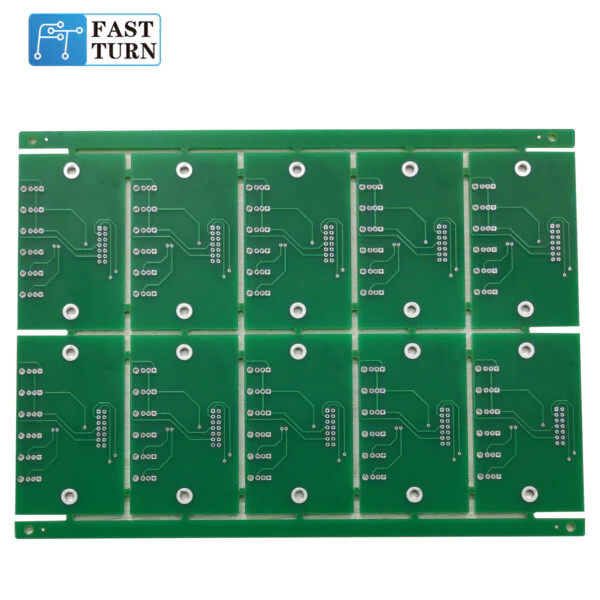
FR-4 (Fiberglass Epoxy Laminate)
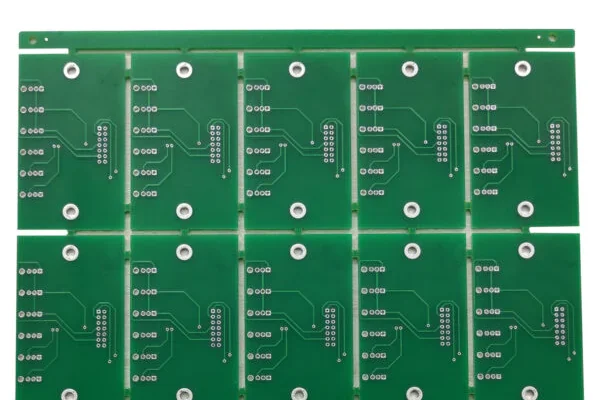
FR-4 is the most widely used PCB substrate. Made from epoxy resin reinforced with woven fiberglass cloth, it offers excellent mechanical strength, electrical insulation, thermal resistance, and cost efficiency. FR-4 is ideal for a wide range of consumer electronics and industrial applications.
Aluminum Substrate
Aluminum PCBs are metal-based boards with an aluminum core, known for superior heat dissipation, mechanical durability, and EMI shielding. Commonly used in high-power applications such as LED lighting, automotive systems, and power supplies.
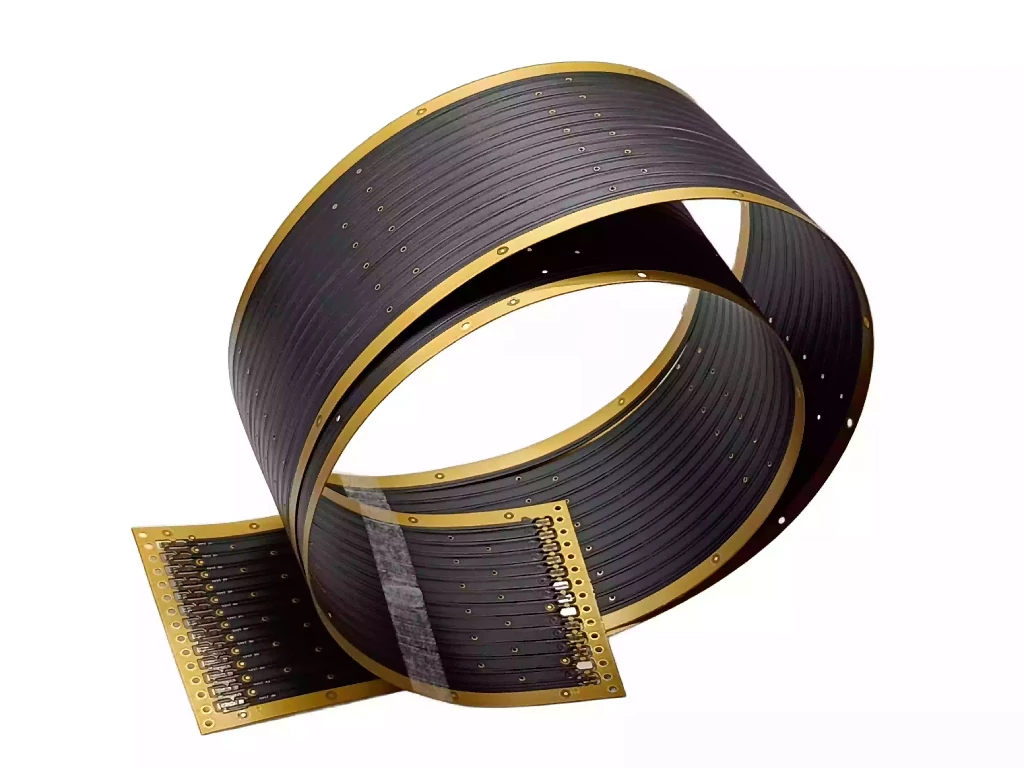
Flexible PCB (FPC)
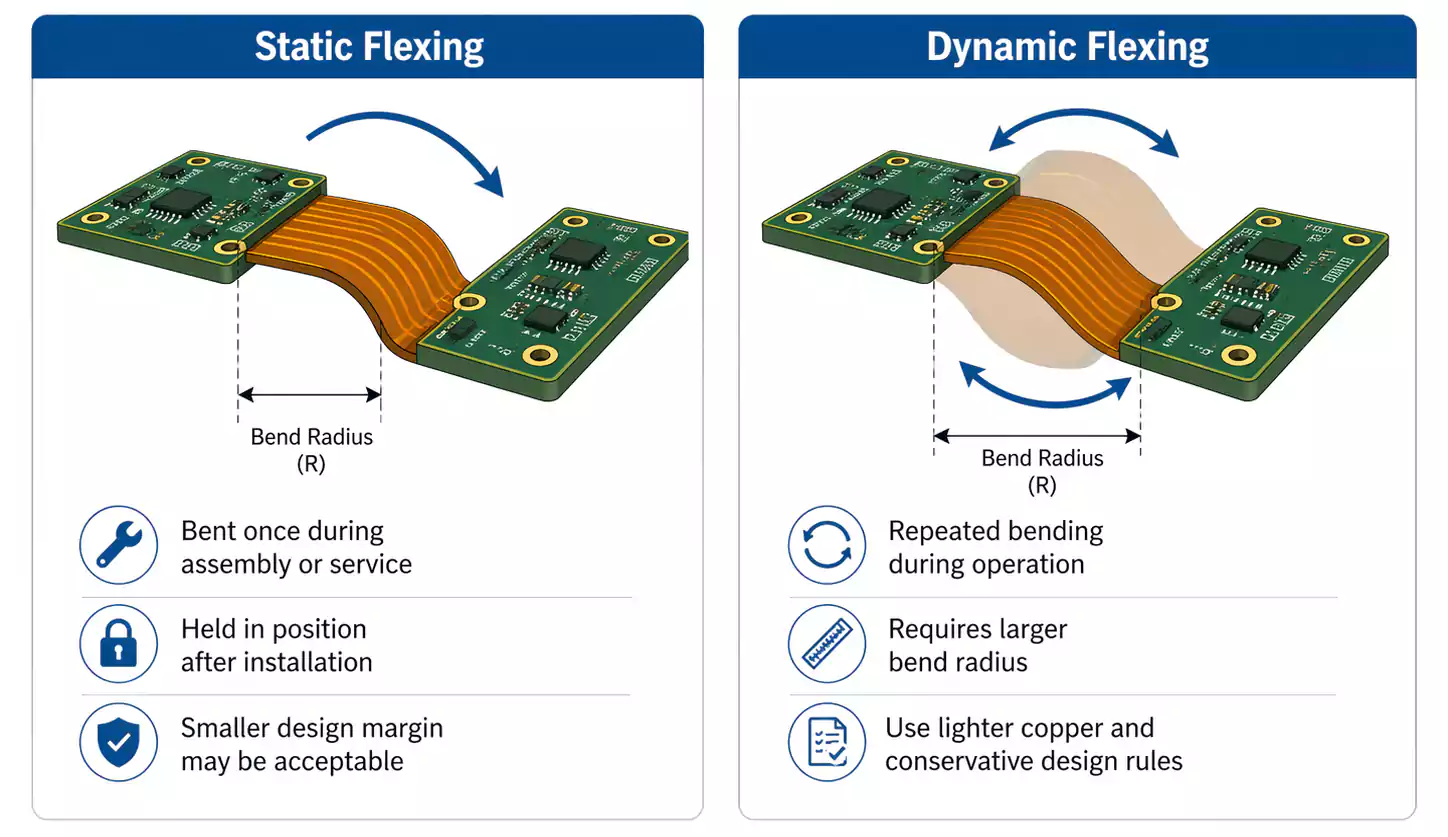
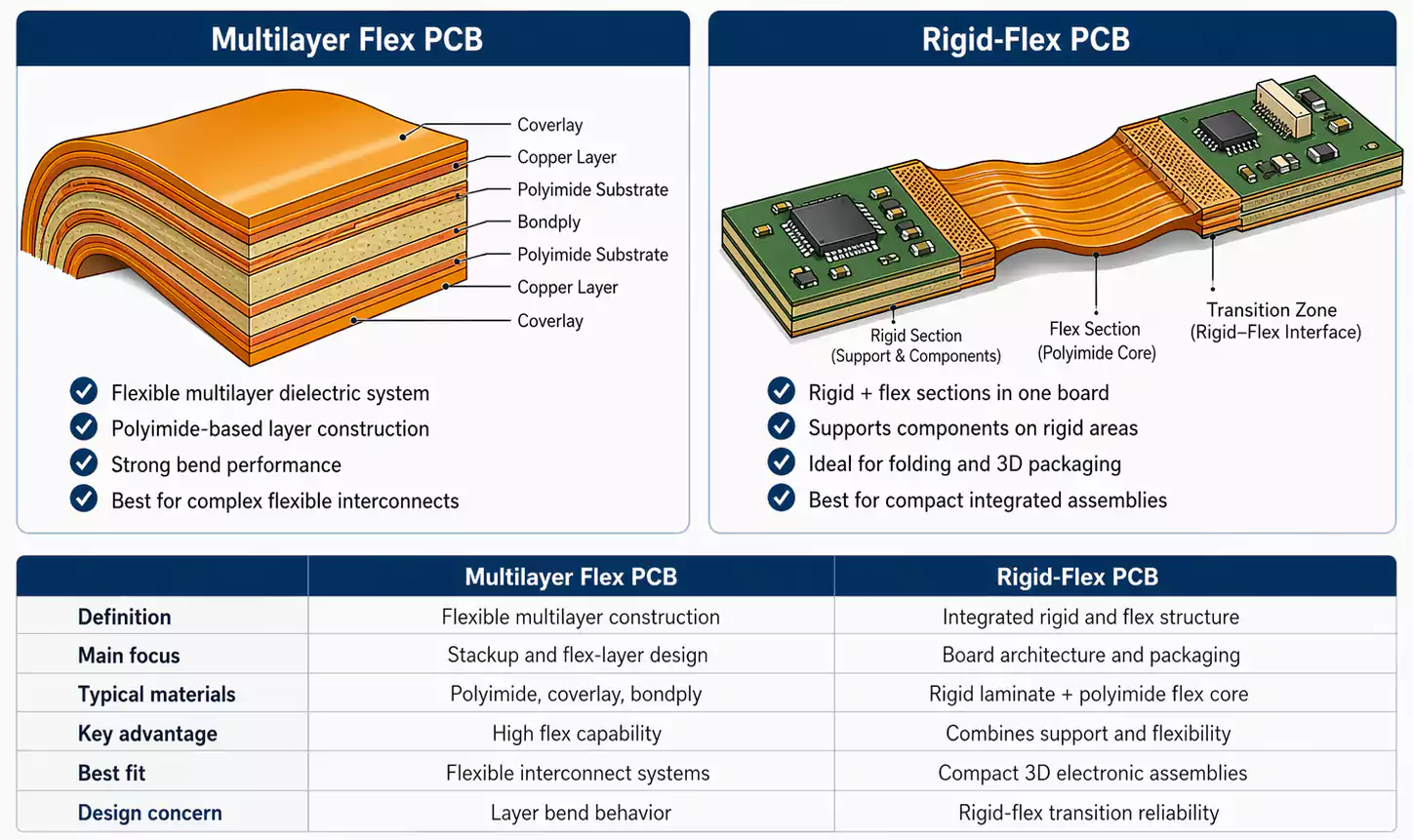
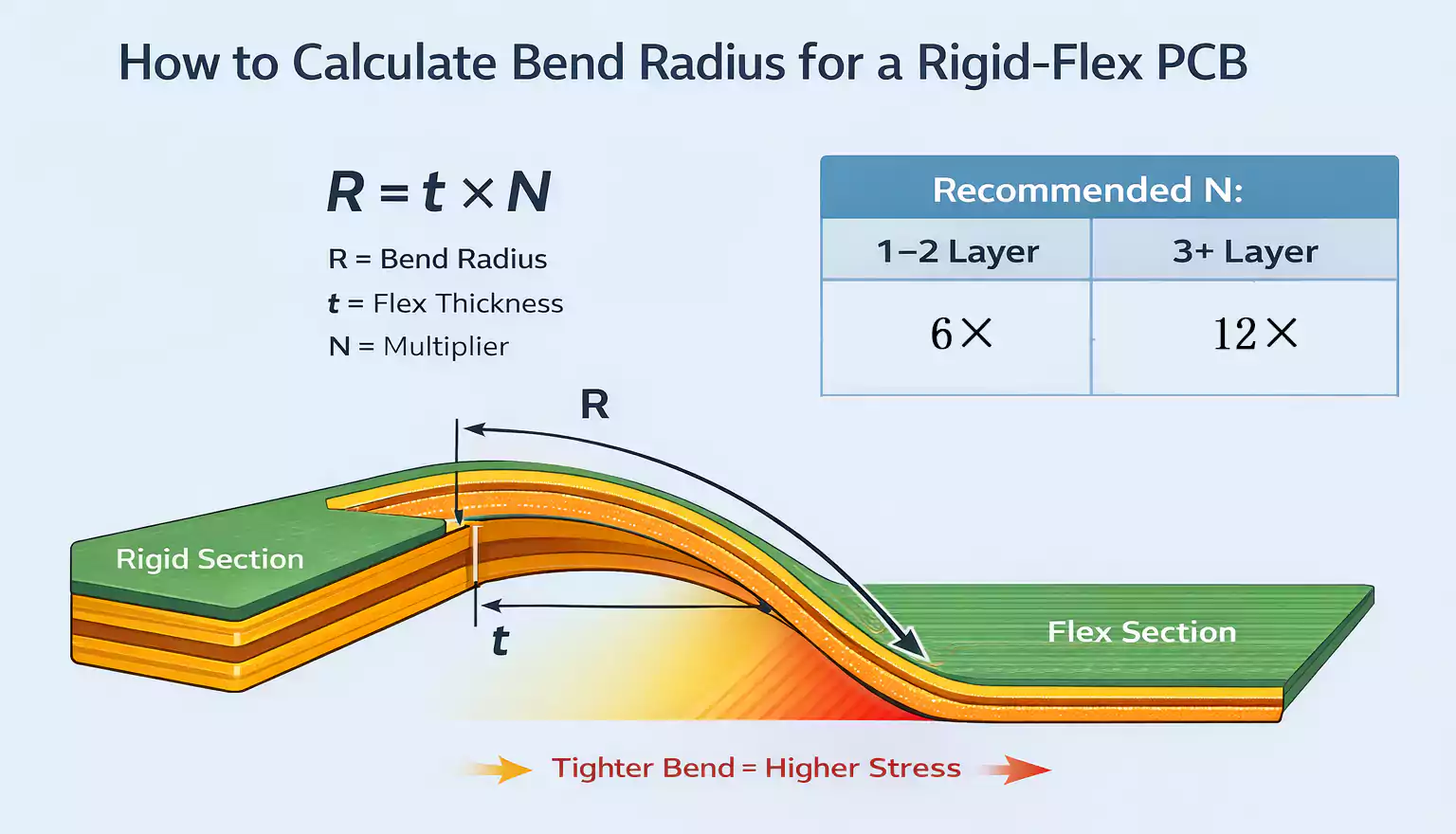
Flexible PCBs use polyimide or polyester film as the base material. They are ultra-thin, lightweight, and highly bendable, making them perfect for compact, curved, or foldable electronic products such as wearable devices, smartphones, and medical equipment.
Paper-Based PCB
Constructed from phenolic resin-impregnated paper, these boards are cost-effective and easy to process. They are commonly used in low-cost consumer electronics and household appliances where performance demands are minimal. However, their thermal and dielectric performance is limited.
Fiberglass Board
Made from high-temperature-resistant glass fibers, fiberglass boards offer excellent stability under thermal and mechanical stress. These materials are suitable for high-frequency, high-temperature environments and are widely used in industrial control and RF applications.
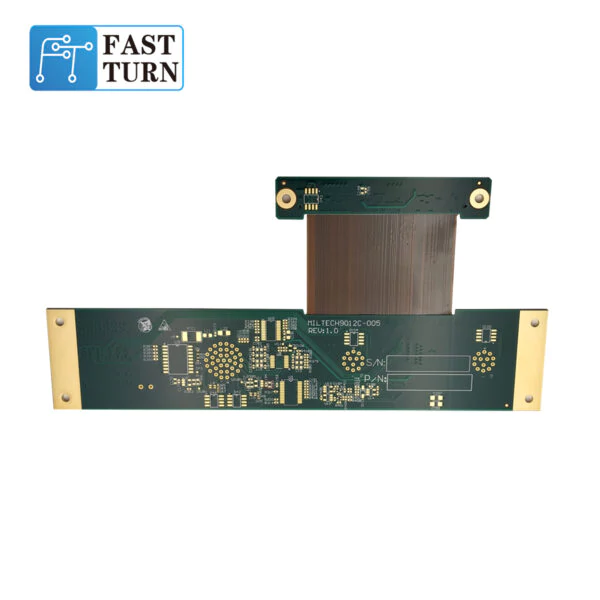
High-Performance PCB Materials
For specialized applications, high-performance substrates like ceramic and polyimide are preferred.
Ceramic Substrate (Alumina/AlN)
Ceramic PCBs, often made from aluminum oxide or aluminum nitride, offer exceptional thermal conductivity, electrical insulation, and dimensional stability. They are ideal for high-frequency, high-power, and high-reliability applications such as aerospace, automotive, and power electronics.
Polyimide Substrate
Polyimide-based PCBs provide excellent thermal resistance and flexibility. They are well-suited for environments that experience extreme temperatures or require superior electrical performance.
How to Select the Right PCB Material
Choosing the right PCB material involves balancing performance, environmental conditions, and cost. Here are some general guidelines:
For general-purpose electronics, FR-4 remains the standard choice.
For high-heat applications, such as LEDs or power electronics, use aluminum substrates.
For bendable or foldable devices, opt for flexible PCBs (FPCs).
For budget-sensitive products, paper-based boards offer a cost-effective solution with basic functionality.
For high-frequency or high-power designs, consider ceramic or polyimide substrates for enhanced performance.
Conclusion
Understanding the properties and applications of various PCB materials is essential to optimize your circuit design and ensure long-term reliability. Always evaluate your specific application needs—such as mechanical stress, thermal management, signal integrity, and budget—before finalizing your PCB material choice.