


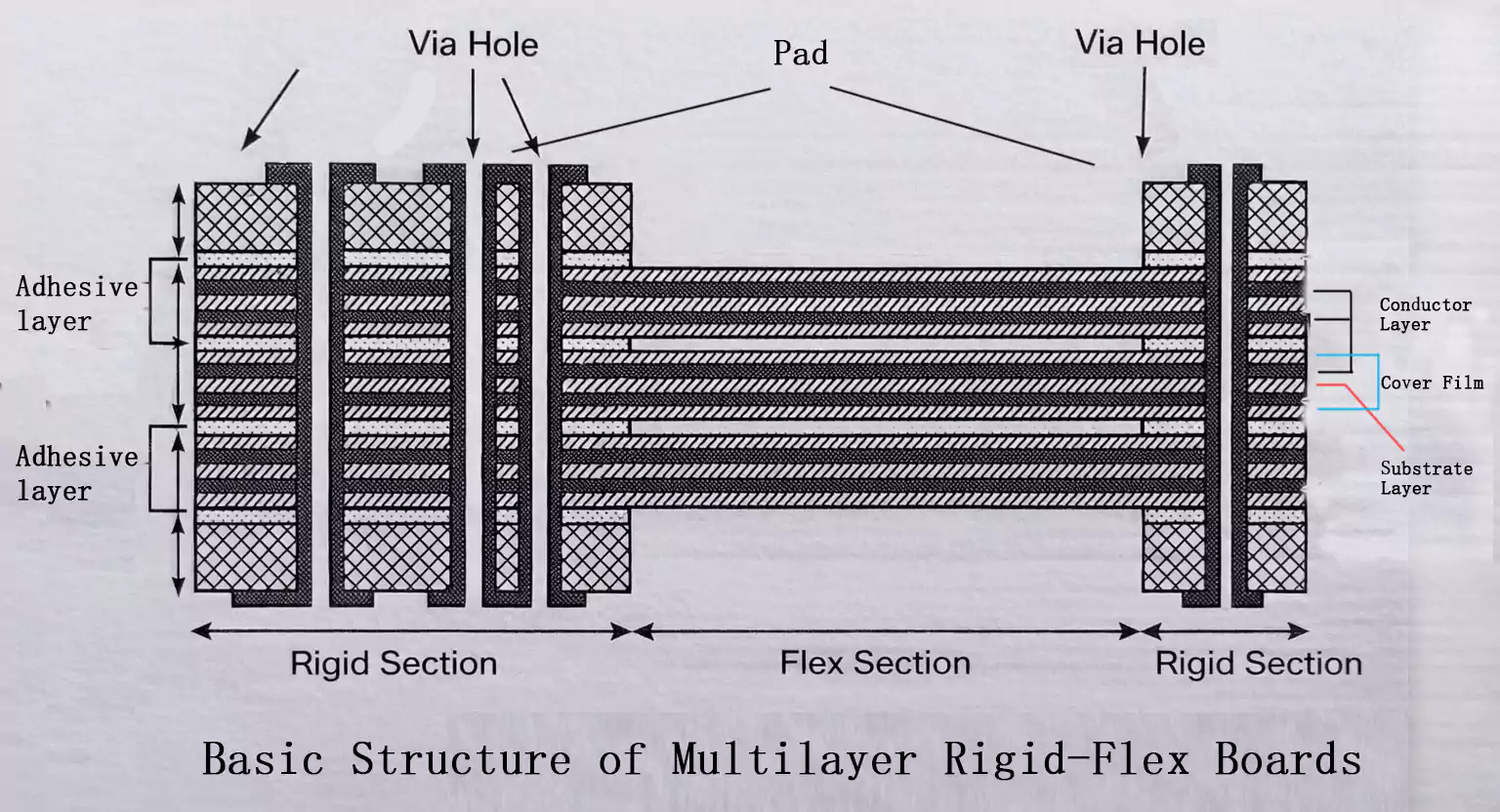
PCB adhesive is more than a simple glue. In electronics, it is used to secure components, reduce vibration, improve thermal management, provide insulation, and support repair.
Choosing the right PCB adhesive is important because the wrong material can affect reliability under heat, moisture, or mechanical stress. There is no single adhesive suitable for every application. Selection depends on the board material, component type, service environment, curing method, and whether conductivity is required.
This article outlines the main types of PCB adhesives, key selection criteria, and the best options for common applications, including FR4 bonding, SMT assembly, repair, and vibration control.
Quick Answer: What Adhesive Is Used for PCB?
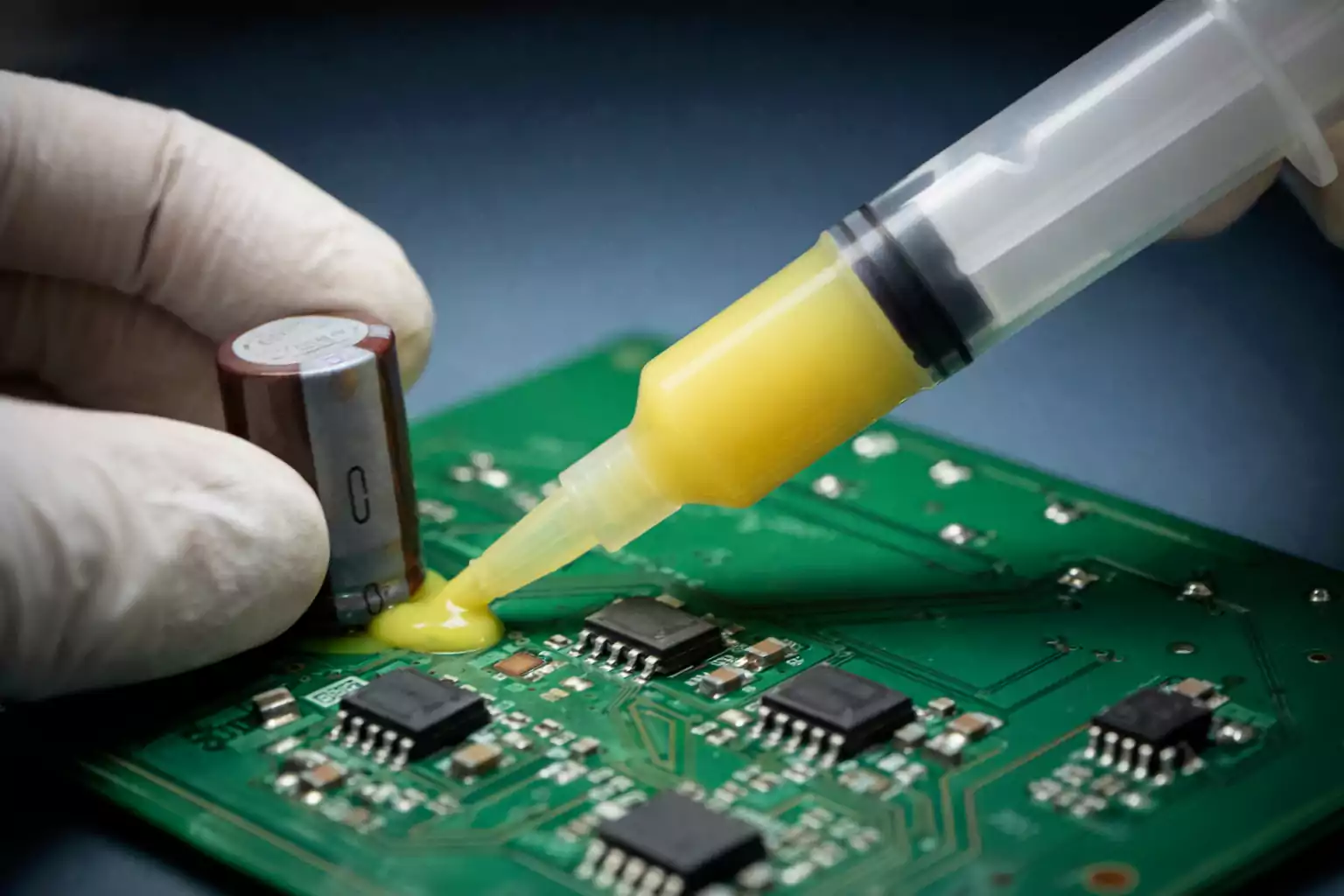
- Epoxy — best for strong structural bonding and FR4 support
- Silicone — best for vibration resistance and thermal cycling
- UV adhesive / acrylic adhesive — best for fast curing and precise small-area bonding
- Conductive adhesive — best for special electrical connection or repair cases
- SMT red glue — best for holding bottom-side SMT components before soldering
What Is PCB Adhesive Used For?
1. Securing components
- Helps hold larger or heavier parts in place
- Reduces movement during use or transport
2. Vibration and stress reduction
- Protects solder joints from cracking
- Supports tall or heavy components in harsh environments
3. Electrical insulation and protection
- Isolates sensitive areas
- Adds resistance to moisture, dust, or contaminants
4. Thermal management
- Helps transfer heat from components to heatsinks or metal surfaces
5. Repair and reinforcement
- Supports damaged areas
- Secures jumper wires or connector edges
- Reinforces repaired sections of the board
Main Types of PCB Adhesives
The table below gives a quick overview of the most common PCB adhesive types.
| Adhesive Type | Best For | Main Strengths | Main Limitations |
| Epoxy | FR4 bonding, heavy component support, structural repair | High strength, good heat resistance, durable | Rigid after curing, harder to rework |
| Silicone | Vibration control, strain relief, temperature cycling | Flexible, shock-resistant, reliable in dynamic environments | Lower structural rigidity than epoxy |
| Acrylic / UV Adhesive | Fast assembly, small-area bonding, precise placement | Fast cure, good process speed, clean application | Usually less durable than epoxy in structural use |
| Conductive Adhesive | Special electrical repair or low-heat connection | Provides electrical conductivity | Not a full solder replacement, higher cost |
| SMT Red Glue | Double-sided SMT assembly | Holds components before soldering | Not intended as the final electrical connection |
Epoxy Adhesives
Epoxy is one of the most widely used adhesive families in electronics. It is commonly selected when high mechanical strength and good heat resistance are required.
1. Why is epoxy commonly used on PCBs
- Strong bond to FR4 and many common electronic materials
- Good resistance to heat and chemicals
- Suitable for long-term structural support
2. When epoxy works best
Epoxy is usually the best choice when the board needs a strong, stable, long-lasting bond and flexibility is not the main concern.
3. The main drawback of epoxy
The biggest downside is rigidity. Once cured, epoxy is usually much harder than silicone. That can be useful for structural support, but in vibration-heavy applications, a rigid adhesive may transfer stress rather than absorb it.
Silicone Adhesives
Silicone adhesives are widely used where flexibility matters more than rigid strength.
1. Why silicone is useful in electronics
- Remains flexible after curing
- Helps absorb vibration and mechanical shock
- Performs well under thermal expansion and contraction
- Good for strain relief on leads, wires, and larger components
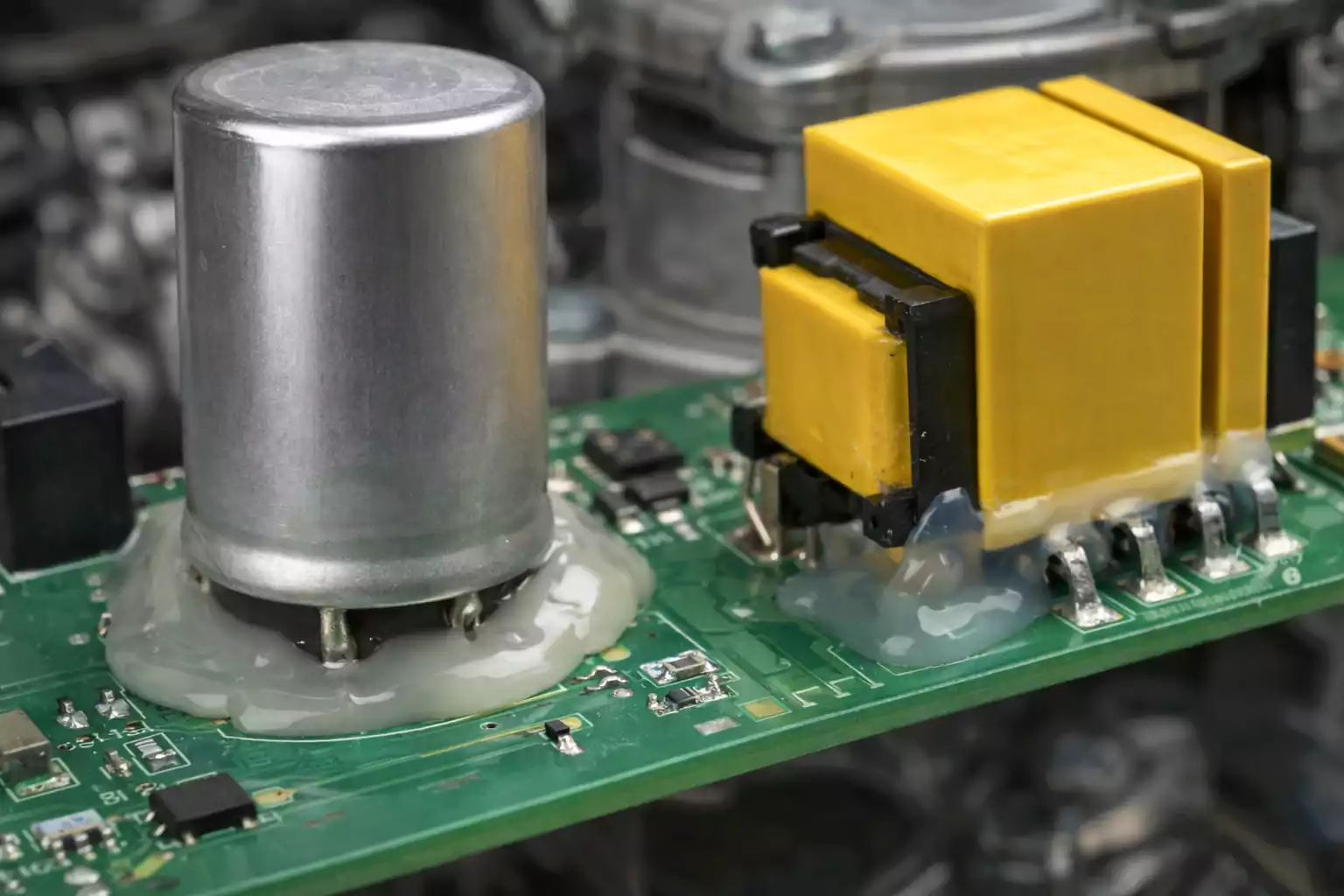
2. Common PCB applications for silicone
- Large capacitors
- Wire anchoring
- Connectors
- Coils and transformers
- Assemblies are exposed to repeated movement or thermal cycling.
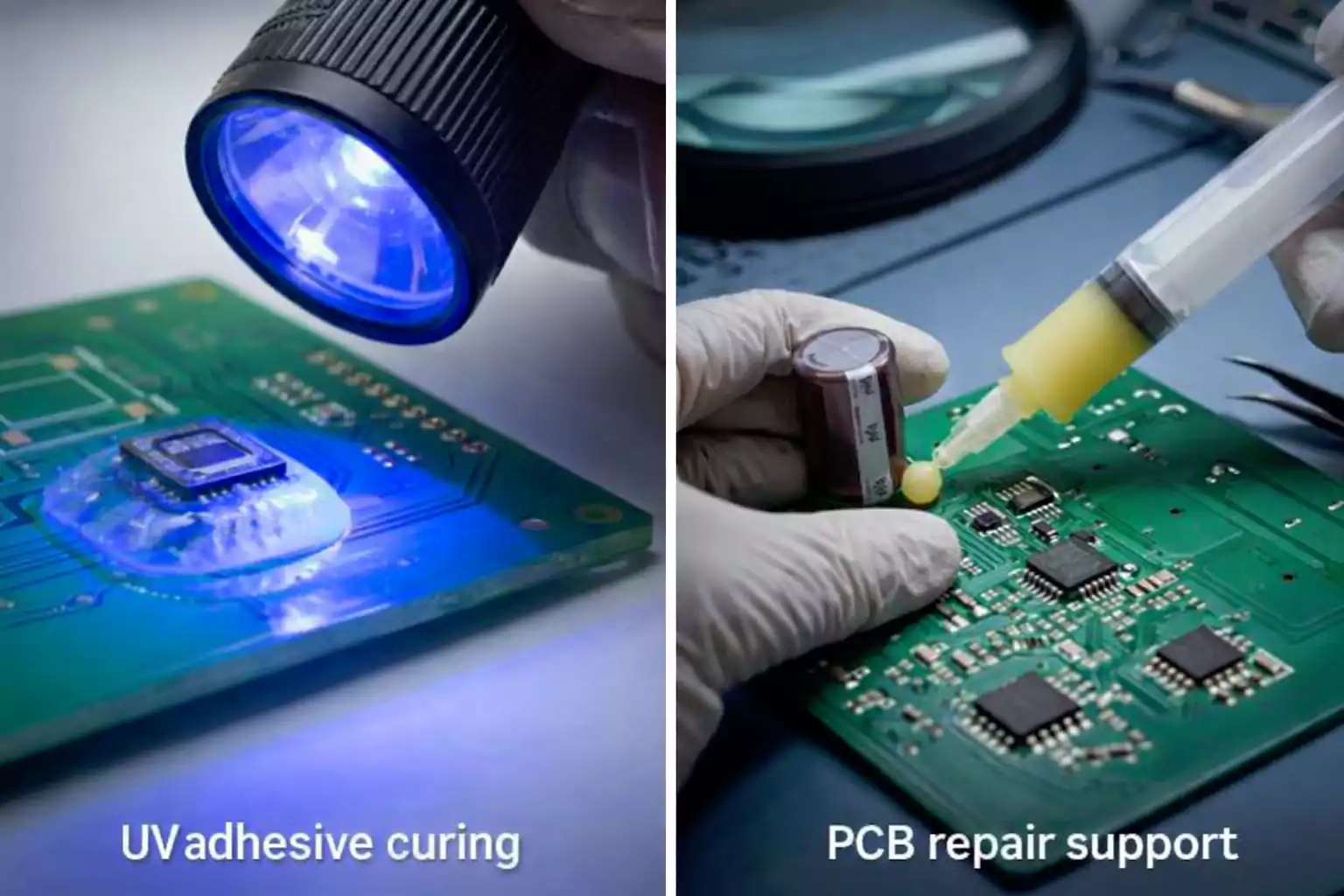
Acrylic and UV-Curing Adhesives
Acrylic and UV-curing adhesives are often chosen when speed and precision are important.
1. Their main advantages
- Fast curing
- Good for controlled dispensing
- Useful for small-area bonding
- Suitable for production steps where quick fixture time matters
2. Best use cases
These adhesives are a strong option when the goal is:
- fast positioning
- precise adhesive placement
- shorter process time
- light-to-moderate bonding in compact assemblies
Conductive Adhesives
Conductive adhesive is a specialized material used when the adhesive must also carry electricity.
1. Typical uses
- Repair of specific conductive paths
- Low-temperature assembly situations
- Certain niche electronic bonding processes
2. What it is not
Conductive adhesive is not a universal replacement for solder.
3. Key takeaway
Use conductive adhesive only when there is a clear electrical need. For most PCB adhesive applications, a non-conductive material is the better and safer choice.
SMT Red Glue
SMT red glue is a specialized non-conductive adhesive used in certain surface-mount assembly processes.
1. Main purpose
Its job is to hold bottom-side SMT components in place before soldering, especially in double-sided assembly workflows.
2. Why it matters
This is a good example of how PCB adhesives are tied to real manufacturing processes. The best adhesive for assembly support is very different from the best adhesive for repair or vibration control.
How to Choose the Right PCB Adhesive
Instead of choosing by brand name or habit, use the following checklist.
1. Does the adhesive need to be conductive?
- No → choose a non-conductive adhesive.
- Yes → consider a conductive adhesive only if the application truly requires it.
2. What materials are being bonded?
Common PCB-related materials include:
- FR4
- polyimide
- metal
- ceramic
- plastic
Not all adhesives bond equally well to all materials.
3. Do you need rigidity or flexibility?
- Rigid support needed → epoxy is often better.
- Vibration or movement expected → silicone is often better.
4. What is the operating environment?
Consider:
- heat
- humidity
- chemicals
- outdoor exposure
- shock or vibration
5. Will the board need rework later?
If future repair or removal is a concern, avoid selecting an adhesive that forms an overly permanent bond unless absolutely necessary.
6. What kind of production process is involved?
The adhesive used in:
- hand repair
- prototype assembly
- automated manufacturing
may not be the same.
Best PCB Adhesive for Common Scenarios
This section is often what readers care about most: what works best in real-life use.
1. Best Glue for FR4
For most FR4 structural support tasks, epoxy is usually the leading option.
Best when:
- reinforcing connector areas
- securing heavy components
- supporting a rigid repair area
- bonding where long-term stability matters
Better alternative when vibration is present:
- Silicone may be a smarter option if the board will see frequent movement or temperature cycling
2. Best Adhesive for Vibration-Prone Components
For vibration-heavy environments, silicone is often the better choice.
Typical parts that may need support:
- large capacitors
- tall components
- connectors
- transformers
- wire terminations
Why silicone works well:
- absorbs stress
- reduces movement
- lowers the strain on solder joints
3. Best Adhesive for Double-Sided SMT Assembly
For bottom-side component retention during assembly, SMT red glue is the standard specialized choice.
Why is it used:
- keeps components in position
- prevents shifting before soldering
- supports certain double-sided SMT workflows
This is a manufacturing-use adhesive, not a general-purpose PCB repair glue.
4. Best Adhesive for PCB Repair or Pad Support
Repair work usually requires more caution than assembly support.
Common repair-related uses:
- reinforcing a damaged section
- supporting a jumper wire
- stabilizing a repaired connector edge
- providing local mechanical reinforcement
Most common choice:
- epoxy, because of its strength
Can You Glue Instead of Solder?
In most PCB applications, the answer is no.
Quick comparison
| Function | Glue | Solder |
| Holds parts mechanically | Yes | Yes |
| Creates reliable electrical connection | Usually no | Yes |
| Good for reinforcement | Yes | Limited |
| Good for standard PCB assembly | No | Yes |
| Suitable as a universal replacement | No | Yes |
What this means in practice
- Standard non-conductive glue cannot replace solder joints.
- Conductive adhesive is only effective in specific situations.
- Heavy or stressed parts still need good layout and, when necessary, mechanical support.
So while glue is useful in electronics, it typically serves as a support material rather than a complete replacement for soldering.
UV Glue vs Epoxy for PCB
This is one of the most common comparison questions.
| Feature | UV Glue | Epoxy |
| Cure speed | Very fast with proper light exposure | Slower |
| Application style | Precise, small-area bonding | Broader structural use |
| Mechanical strength | Moderate | High |
| Heat resistance | Moderate | Better in demanding structural use |
| Best for | Fast processing, controlled placement | Strong support, long-term durability |
Which one is better?
Choose UV glue when:
- process speed matters
- Adhesive placement is small and precise
- fast fixture time is important
Choose epoxy when:
- Strength matters most
- The board needs durable reinforcement
- long-term thermal stability is important
Non-Conductive vs Conductive PCB Adhesive
Most PCB adhesive applications use non-conductive adhesive.
1. Non-conductive adhesive is best for:
- mechanical support
- insulation
- vibration control
- moisture protection
- general board reinforcement
2. Conductive adhesive is best for:
- special repair situations
- low-heat electrical connection needs
- limited niche applications
How to Apply PCB Adhesive Correctly
Even the right material can fail if the process is poor.
Best practice steps
- Clean the surface
- Control the adhesive amount.
- Follow the proper curing method.
- Avoid contaminating nearby pads or leads.
- Test before full use
Common Mistakes to Avoid
Many PCB adhesive problems stem from simple selection mistakes.
- Using household glue instead of electronics-grade adhesive
- Choosing a rigid adhesive for a vibration-heavy design
- Treating hot glue as a long-term reliability solution
- Using the wrong silicone type on electronic assemblies
- Assuming glue can replace good soldering or mechanical design
- Applying too much adhesive and contaminating nearby areas.
FAQ
What adhesive is used for PCB?
Common options include epoxy, silicone, UV adhesive, conductive adhesive, and SMT red glue. The right choice depends on the application.
What is the best glue for FR4?
Epoxy is usually the first choice for FR4 structural bonding, but silicone may be better when vibration or thermal cycling is a concern.
Can you glue instead of solder?
Usually no. Most glue does not provide the same reliable electrical connection as solder.
Is UV glue as strong as epoxy?
Usually not. UV glue is excellent for fast, precise bonding, while epoxy is generally stronger for structural support.
What is the best non-conductive glue for PCB?
That depends on the job. Epoxy is common for rigid support, while silicone is often better for vibration resistance.
Is hot glue safe for PCB?
It may be acceptable for light-duty or temporary use in some cases, but it is not usually the best choice for long-term reliability.
What adhesive is best for vibration control?
Silicone is often the better option because it remains flexible and helps reduce stress on solder joints.
Conclusion
Selecting the right PCB adhesive depends on the application requirements. Epoxy is typically used for structural strength, silicone for vibration resistance, UV adhesive for fast and precise bonding, and conductive adhesive for specialized electrical needs. In SMT assembly, red glue is used for process support rather than as a general bonding solution.
The right choice should be based on conductivity requirements, operating conditions, mechanical stress, and rework needs. When these factors are clearly defined, PCB adhesive selection becomes more accurate and reliable.
FastTurnPCB provides dependable PCB manufacturing support for applications that demand consistent quality and practical engineering experience.