Stay Updated With The Latest Insights, Trends, And Innovations In Electronics Manufacturing. Explore Expert Articles, Industry Analysis, And Technical Guides Curated By The fastturn Team.
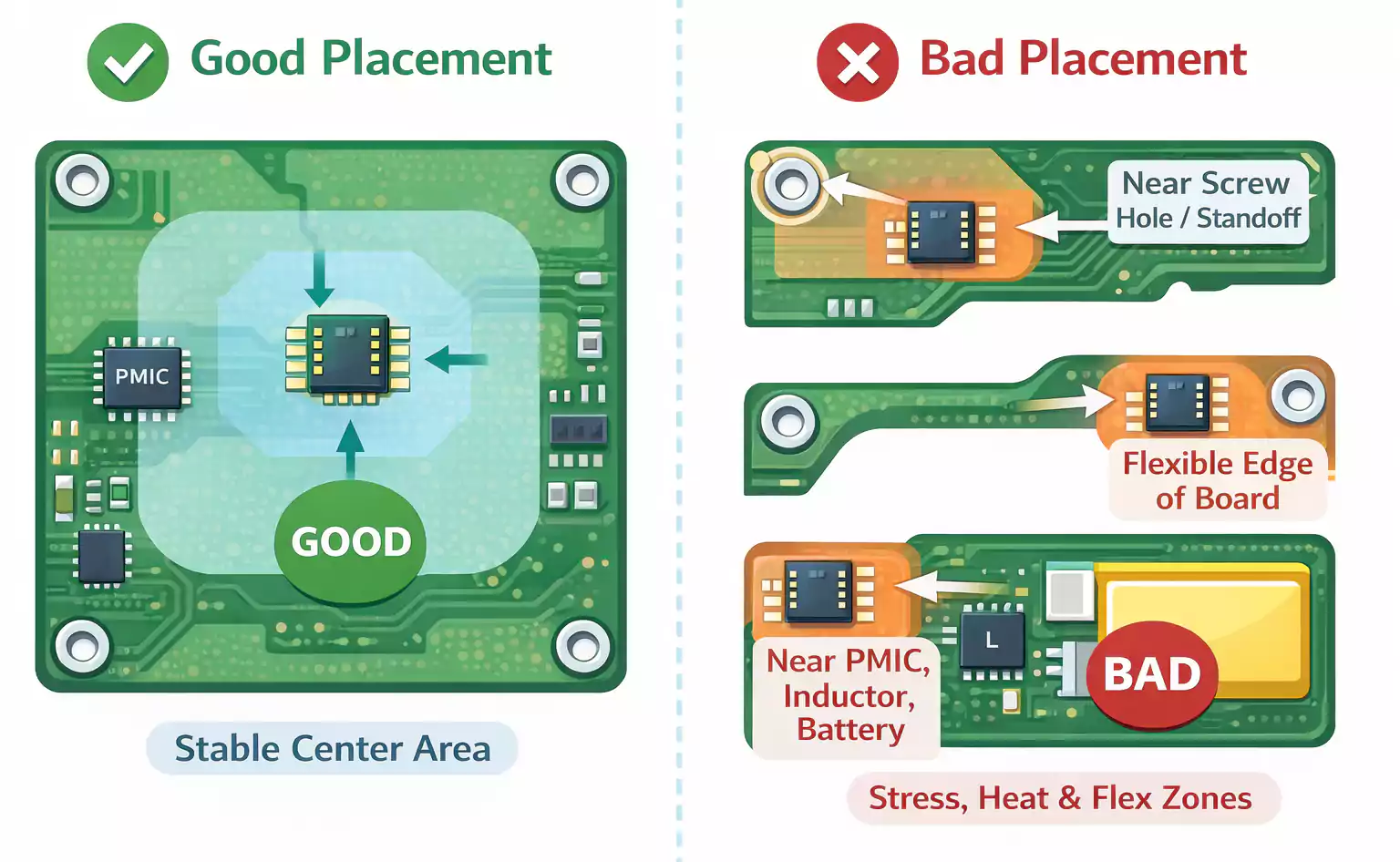
Learn the essentials of PCB accelerometer design, including sensor placement, footprint rules, routing, soldering, and validation. This guide shows how to reduce stress, heat, and vibration effects for more accurate and reliable motion sensing.
4-layer PCBs are the go-to upgrade when 2-layer routing gets tight, or EMI and signal integrity start to matter. This guide explains common 4-Layer PCB Stackup, impedance basics, key design rules, and what to confirm before manufacturing to avoid costly respins.
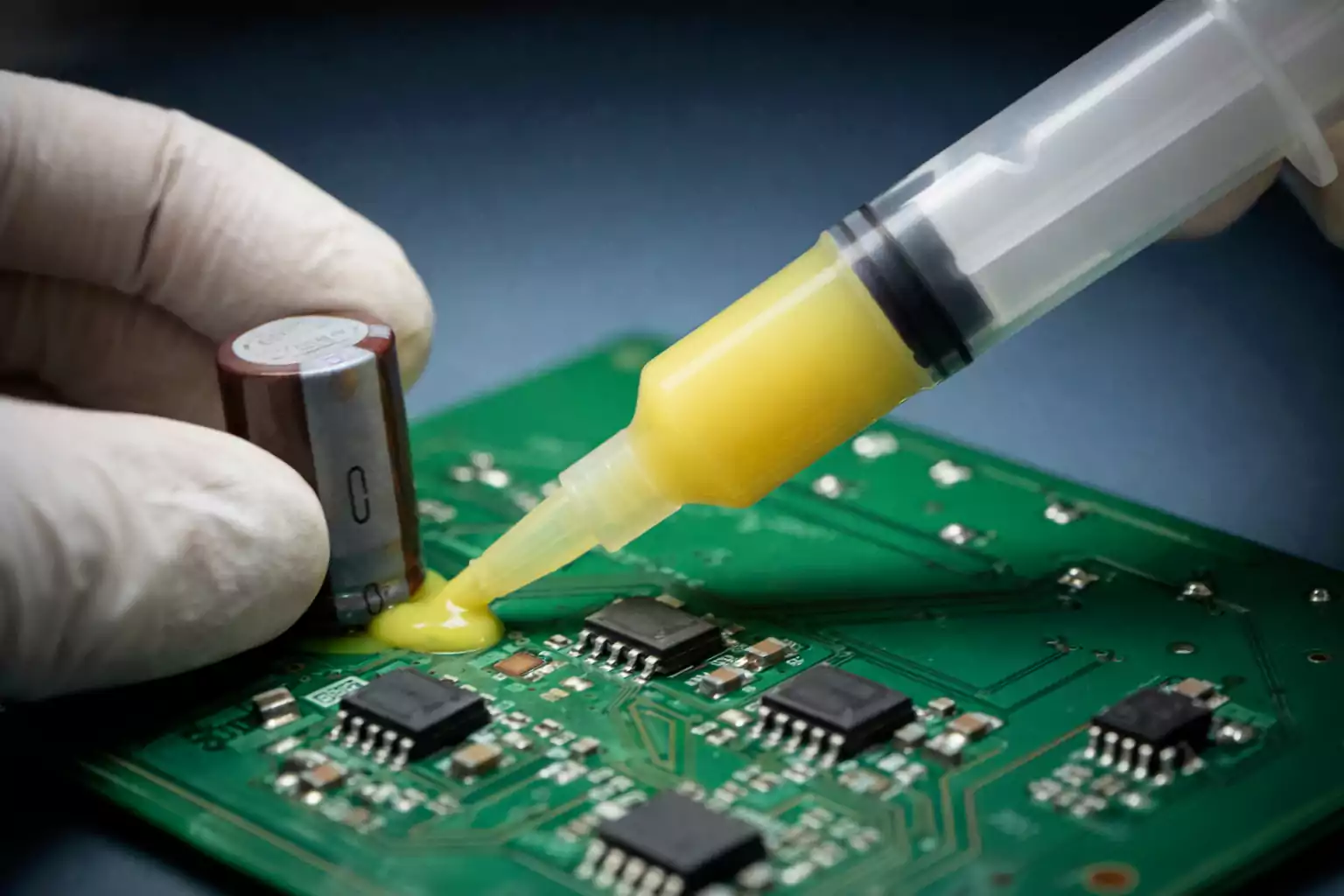
Learn how to choose the right PCB adhesive for FR4, SMT assembly, repair, and vibration control. Compare epoxy, silicone, UV, and conductive adhesives for reliable electronics applications.
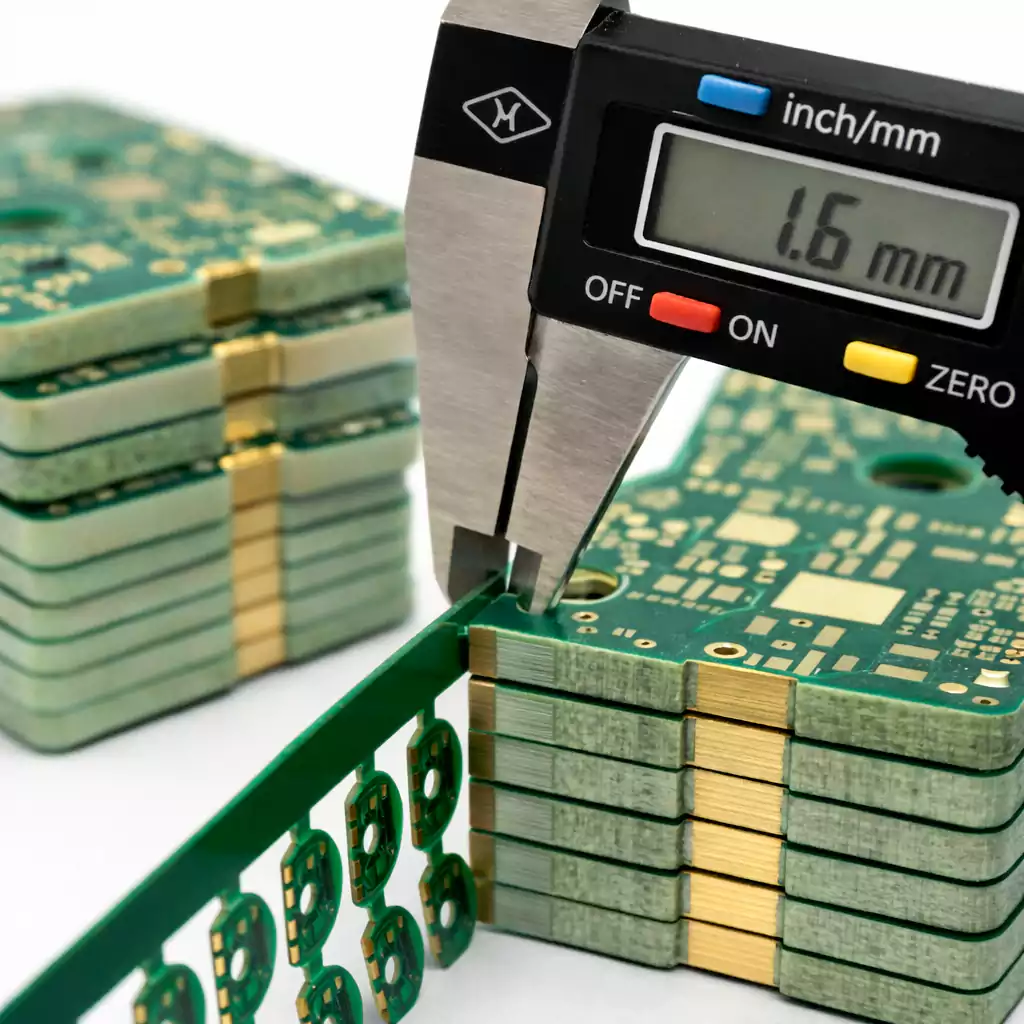
Learn what a thick PCB board is, how it compares with standard PCB board thickness, and when thicker boards are the better choice. This guide covers key applications, design factors, manufacturing challenges, and how to choose the right PCB thickness for strength, reliability, and performance.
Rigid PCBs are the most common “hard” circuit boards in electronics. This guide explains what a rigid printed circuit board is, how it’s built, key types and applications, and a clear rigid PCB vs flex PCB comparison—so you can choose the right board based on cost, space, reliability, and assembly needs.
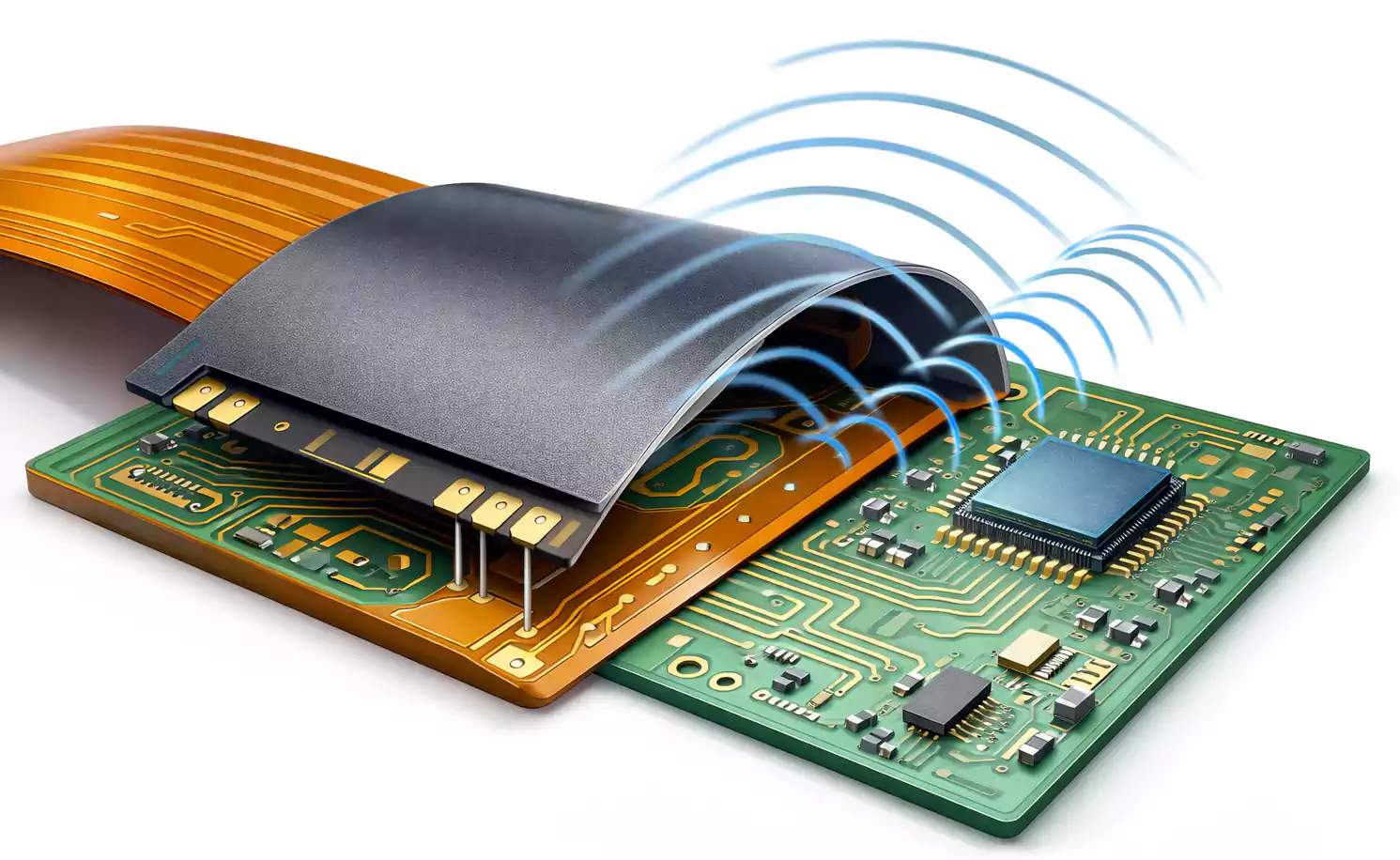
EMI shielding film is a thin conductive layer used on FPC and rigid-flex PCBs to reduce EMI while keeping designs thin and flexible. This article explains how it works, why grounding matters, how it compares to copper, silver ink, and metal shields, and how to choose the right option for your design.
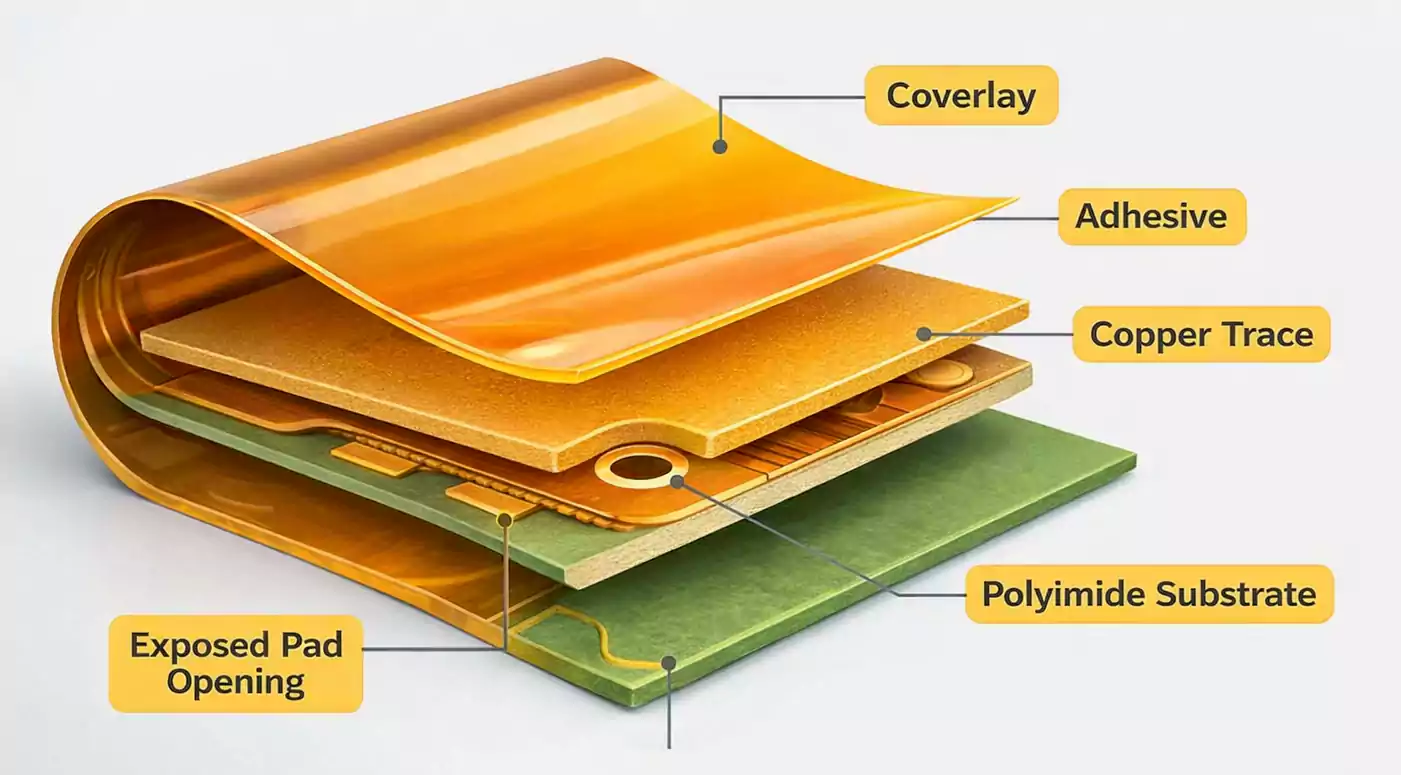
Learn what flex PCB coverlay is, how it protects flexible circuits, how to choose the right coverlay thickness, and when to use coverlay vs. solder mask for better flex PCB reliability.
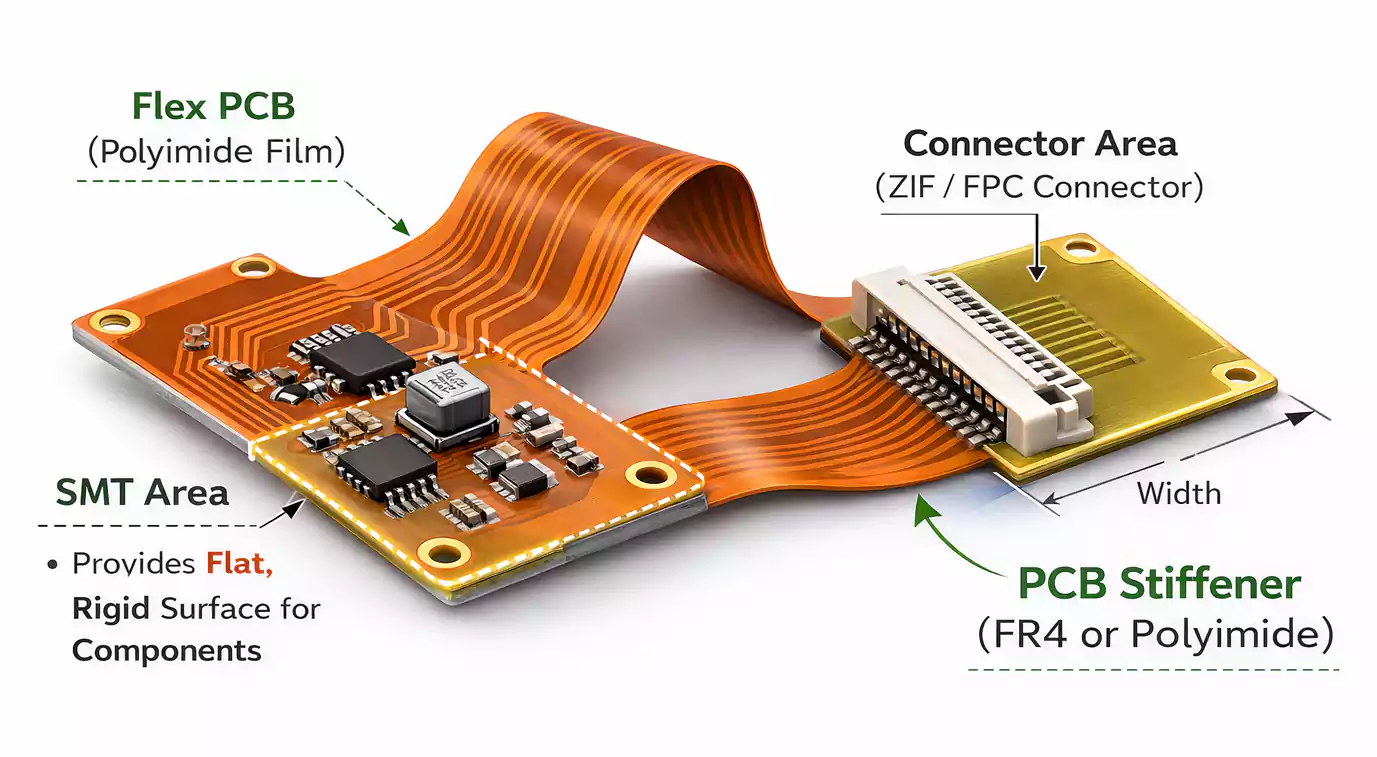
Flex PCBs bend, but connector ends and SMT areas often need extra support. This quick guide explains what a PCB stiffener does, how to choose FR4 vs polyimide, the right thickness, and the best placement for reliable assembly and long-term durability.
Explore the main PCB drill bit types used in PCB manufacturing, including differences in shank diameter, drill structure, flute design, and ST vs UC geometry. This article also explains the basics of PCB drill bit regrinding, helping you understand how drill bit selection and regrind control affect hole wall quality, drilling stability, and tool life.