Stay Updated With The Latest Insights, Trends, And Innovations In Electronics Manufacturing. Explore Expert Articles, Industry Analysis, And Technical Guides Curated By The fastturn Team.
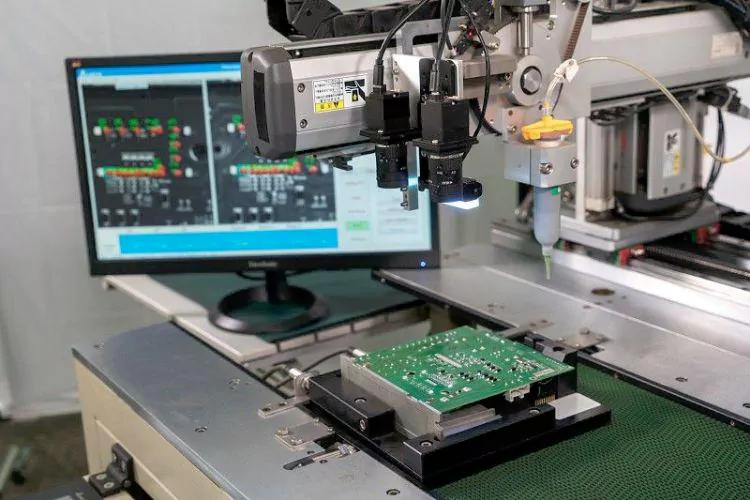
SMT (Surface Mount Technology) is an efficient and precise electronic component assembly technique widely used in modern electronic manufacturing.It achieves high integration, compact size, and lightweight electronic products by precisely mounting surface mount components on a printed circuit board (PCB) and connecting them through soldering.
PCBA one-stop service refers to entrusting the entire PCBA process, including design, procurement, processing, testing, etc., to a professional PCBA manufacturer. This approach has significant advantages in simplifying processes, reducing costs, ensuring quality, providing one-stop services, optimizing management, flexible production, and technological innovation
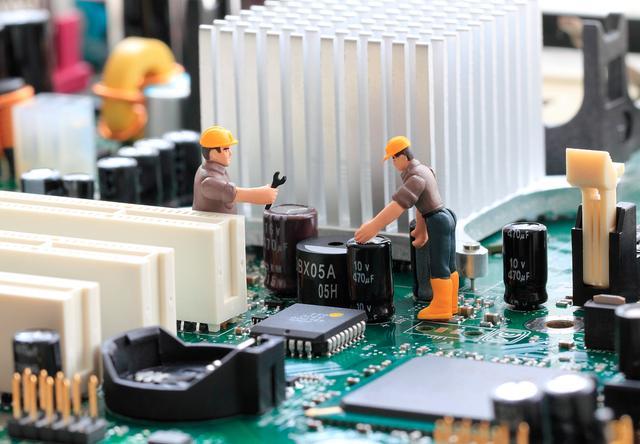
BGA soldering is a process of packaging chips in a spherical matrix and connecting them to solder pads on a circuit board through solder balls. BGA soldering is a technically demanding and operationally complex process that requires strict adherence to process specifications and operating guidelines to ensure soldering quality and reliability of electronic products. The following are the main steps of BGA soldering:
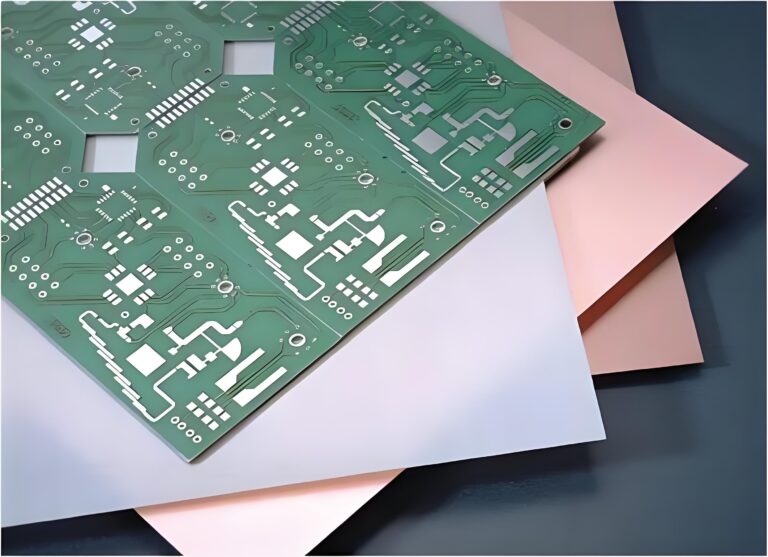
The performance and reliability of a circuit board largely depend on the selected substrate, which not only carries circuit components but also provides electrical insulation, mechanical support, and thermal management functions. Therefore, when selecting circuit board substrates, multiple factors need to be comprehensively considered to ensure the quality and performance of the final product.
With the rapid development of electronic technology, the application of high-density circuit boards (HDBs) is becoming increasingly widespread, especially in fields such as smartphones, wearable devices, and medical electronics.However, the assembly of HDB faces many challenges, especially the use of micro components and the implementation of complex wiring.
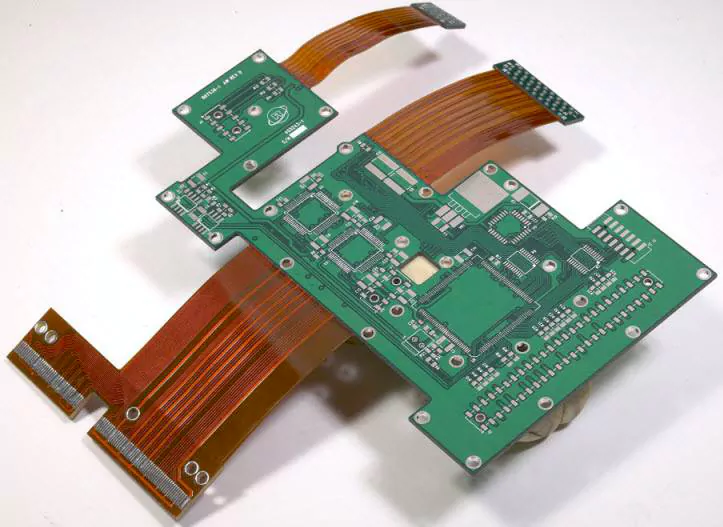
According to their different materials and characteristics, PCBs are mainly divided into two categories: rigid PCBs and flexible PCBs (FPC). These two types of circuit boards have significant differences in structure, performance, and application areas. So, what factors should we consider when choosing PCB hard board and FPC soft board?
When choosing PCB hard board and FPC soft board, multiple factors need to be considered, including application requirements, performance characteristics, cost budget, and production process. The following is a detailed comparison and selection suggestion for the two:
As the core component of electronic products, the quality control and testing of printed circuit board assembly are the cornerstone to ensure product performance and reliability. PCBA quality control and testing cover multiple links from raw material selection, production process monitoring to finished product testing, and each step is crucial and cannot be neglected.