Stay Updated With The Latest Insights, Trends, And Innovations In Electronics Manufacturing. Explore Expert Articles, Industry Analysis, And Technical Guides Curated By The fastturn Team.
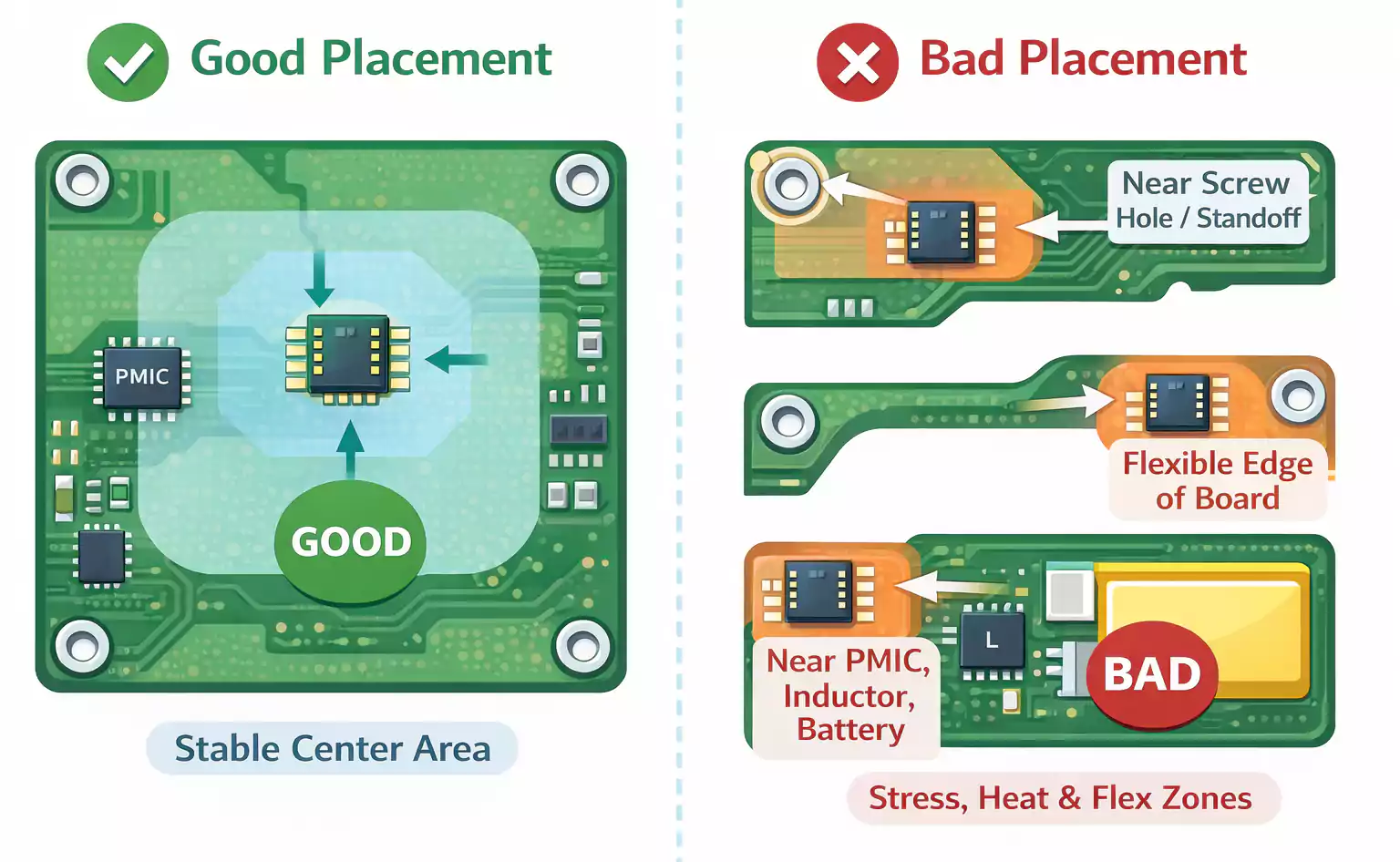
Learn the essentials of PCB accelerometer design, including sensor placement, footprint rules, routing, soldering, and validation. This guide shows how to reduce stress, heat, and vibration effects for more accurate and reliable motion sensing.
The PCBA One-Stop Service refers to a comprehensive solution where a professional PCBA manufacturer manages the entire process—from design and procurement to assembly, testing, and final delivery. By entrusting the full spectrum of PCBA services to an experienced manufacturer, companies can streamline operations, reduce costs, enhance quality control, and benefit from flexible production options and technological advancements. Below are the seven key benefits of opting for a PCBA One-Stop Service:
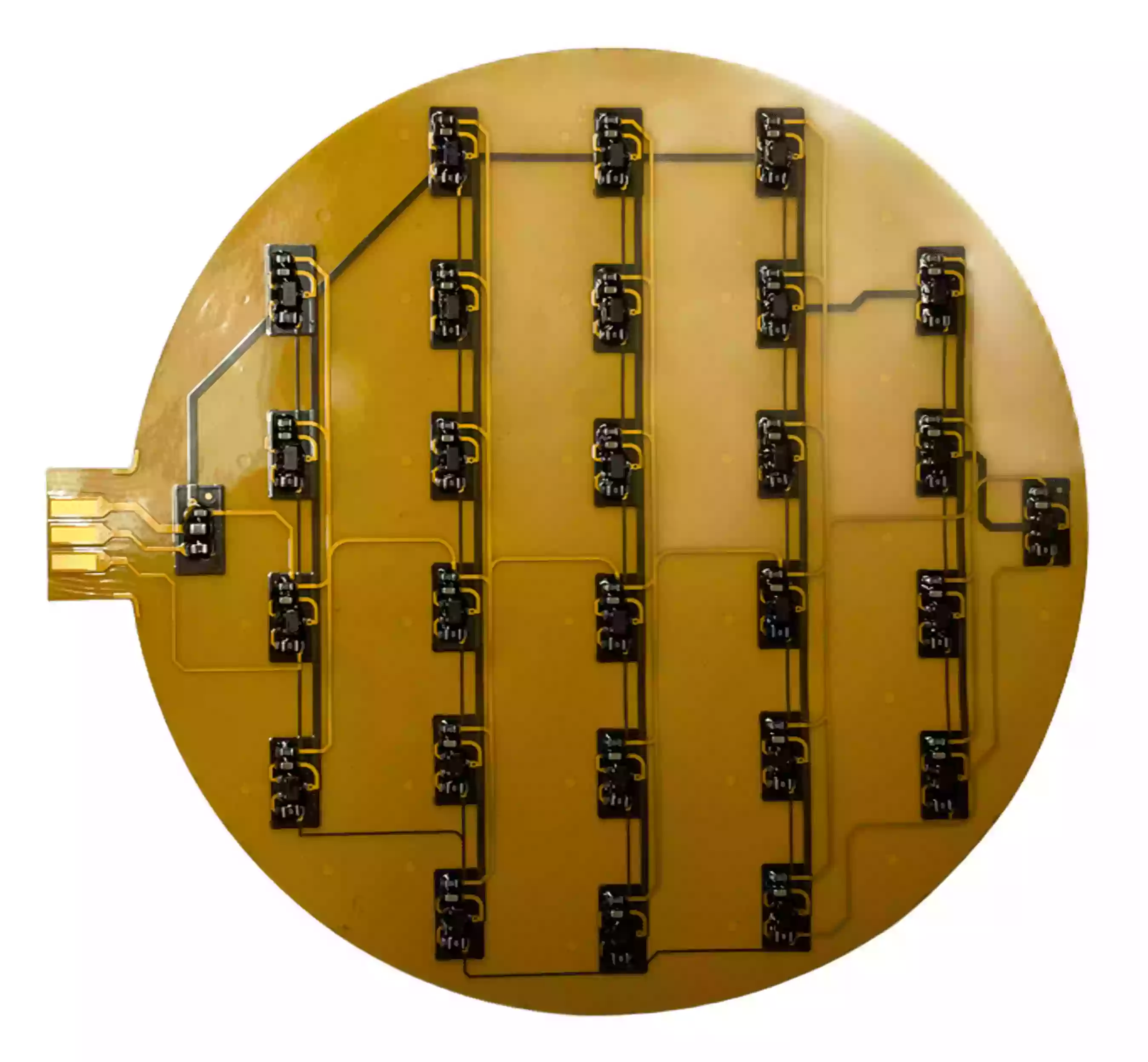
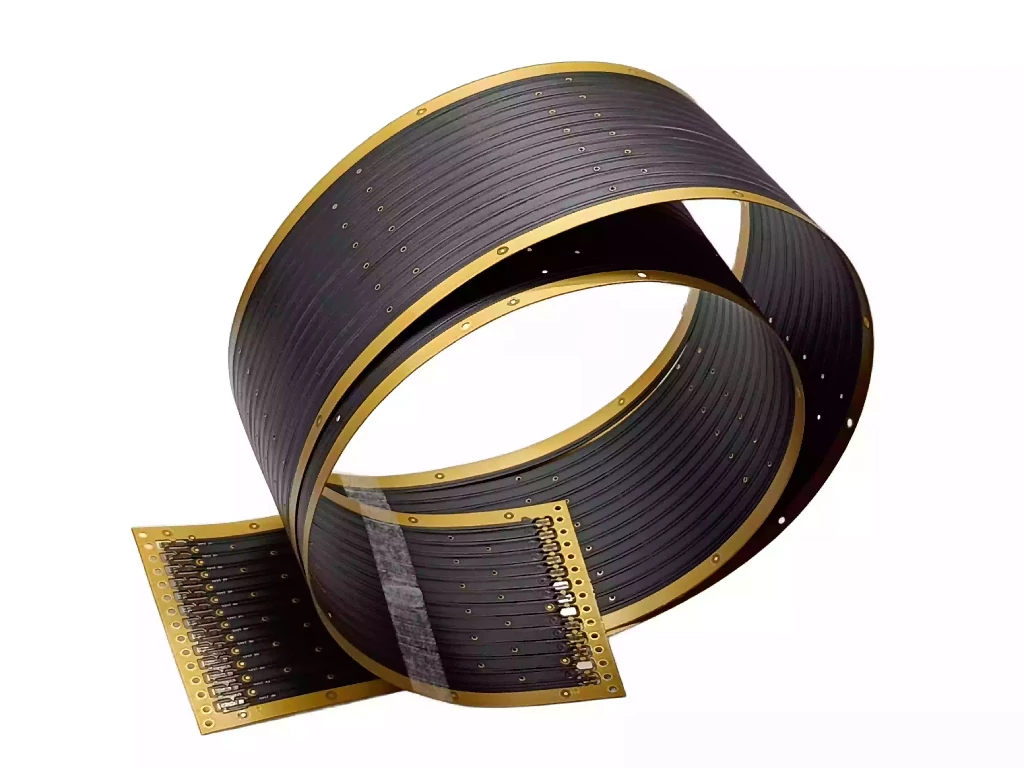
The manufacturing of Flexible Printed Circuits (FPC) involves several intricate steps, each ensuring the final product meets the desired performance and quality standards. Understanding the FPC manufacturing process is essential for making informed decisions when choosing a supplier for your project. In this article, we’ll walk you through the entire process of creating an FPC, from design to production.
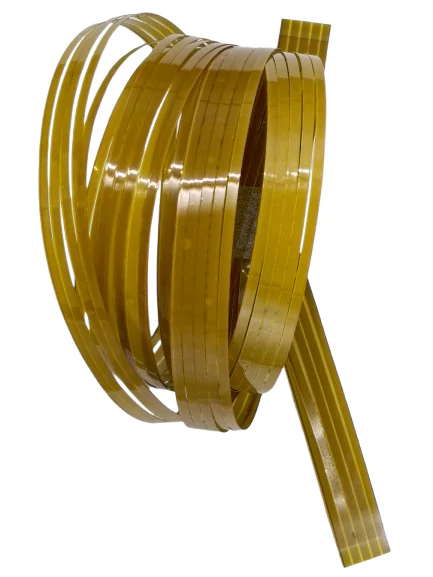
As technology advances, so does the demand for smaller, lighter, and more efficient devices. Engineers and designers are turning to Flexible Printed Circuits (FPCs) to meet these evolving demands. In this article, we explore the top six advantages of using flexible PCBs in product design and how they can significantly improve your projects.
In today’s rapidly evolving electronics industry, innovation drives the need for smaller, lighter, and more efficient devices. Flexible Printed Circuits (FPC), also known as flexible PCBs, are essential to this advancement. These highly adaptable circuits allow for complex electronic designs in compact spaces. But what exactly are FPCs, and why are they so important? In this guide, we’ll dive into the details of FPC technology, its applications, and the key benefits it offers.
When designing modern electronic products, selecting the right type of PCB—FPC soft board or rigid PCB—is crucial for performance, reliability, and product innovation. In this blog, we’ll focus on the benefits and use cases of FPC flexible PCBs, and offer guidance on how to choose between flexible and rigid options depending on your needs.
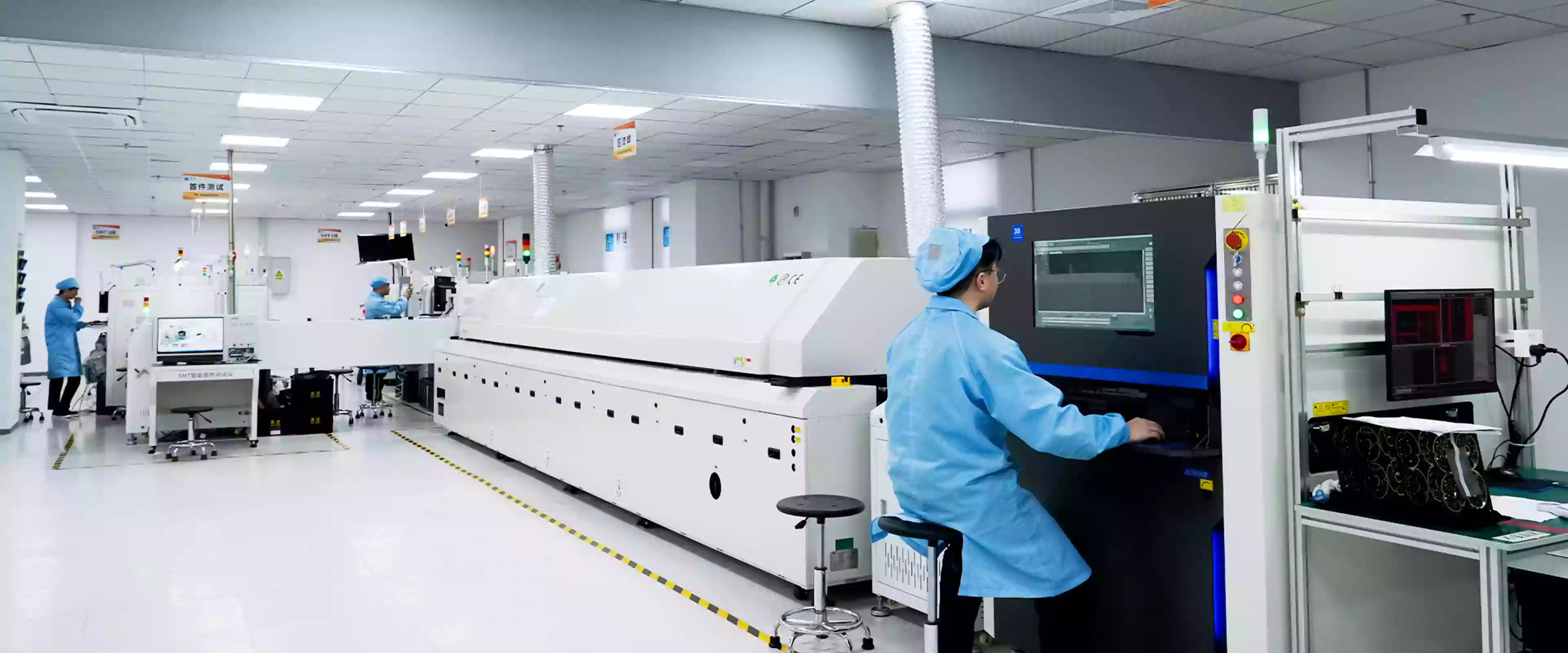
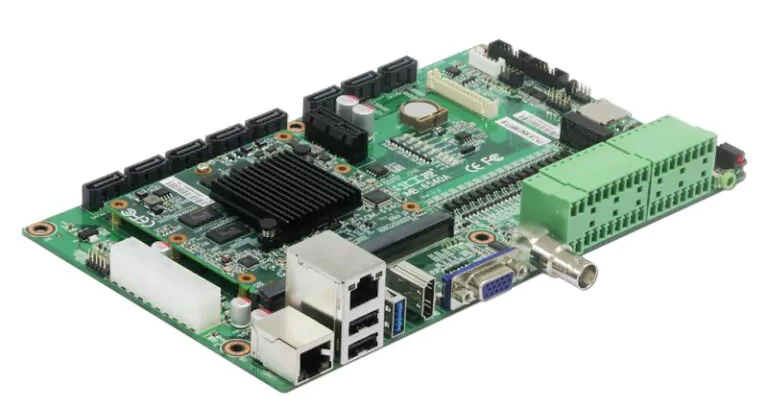
Industrial control boards are the core components of automation systems, acting as the “brain” of industrial equipment. Their performance and reliability are critical to overall system stability. The Surface Mount Technology (SMT) process used in manufacturing these boards demands high precision and stringent quality control. This article explores the essential SMT process requirements for industrial control boards across every production stage.
In the world of Printed Circuit Board Assembly (PCBA), the Bill of Materials (BOM) table plays an essential role throughout the manufacturing process. Serving as the backbone of component procurement, production planning, quality control, cost management, and maintenance, a well-structured BOM ensures that everything runs smoothly from start to finish.
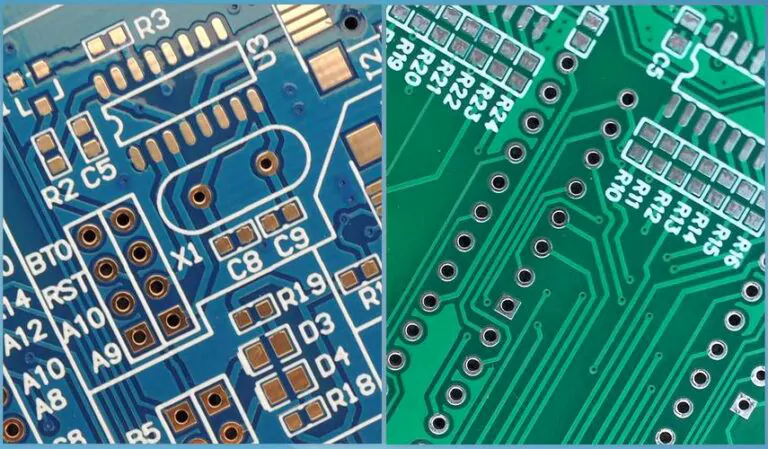
When it comes to PCB surface finishes, choosing the right process is critical to ensure performance, reliability, and cost-effectiveness. Among the most widely used surface treatments in PCB manufacturing are Immersion Gold (ENIG) and Hot Air Solder Leveling (HASL), often referred to as tin spraying. While both serve to protect the exposed copper and enhance solderability, they differ significantly in terms of process, performance, cost, and application.
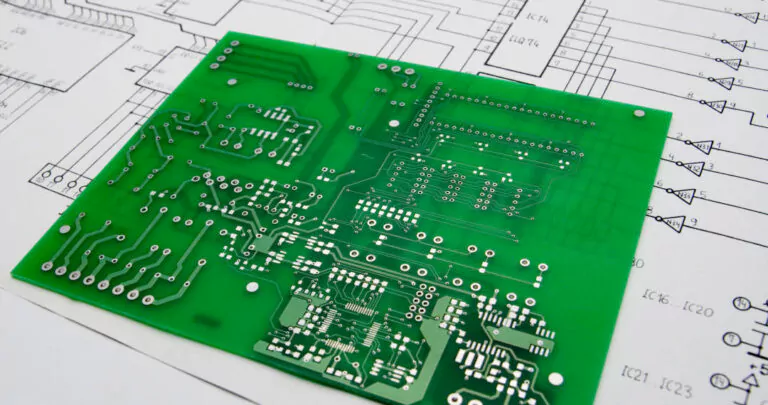
PCB stack design is an important step before circuit board layout design, which involves the arrangement of copper and insulation layers that make up the PCB. Through reasonable stack design, the performance, reliability, and cost of the circuit board can be ensured to achieve the best balance.