Stay Updated With The Latest Insights, Trends, And Innovations In Electronics Manufacturing. Explore Expert Articles, Industry Analysis, And Technical Guides Curated By The fastturn Team.
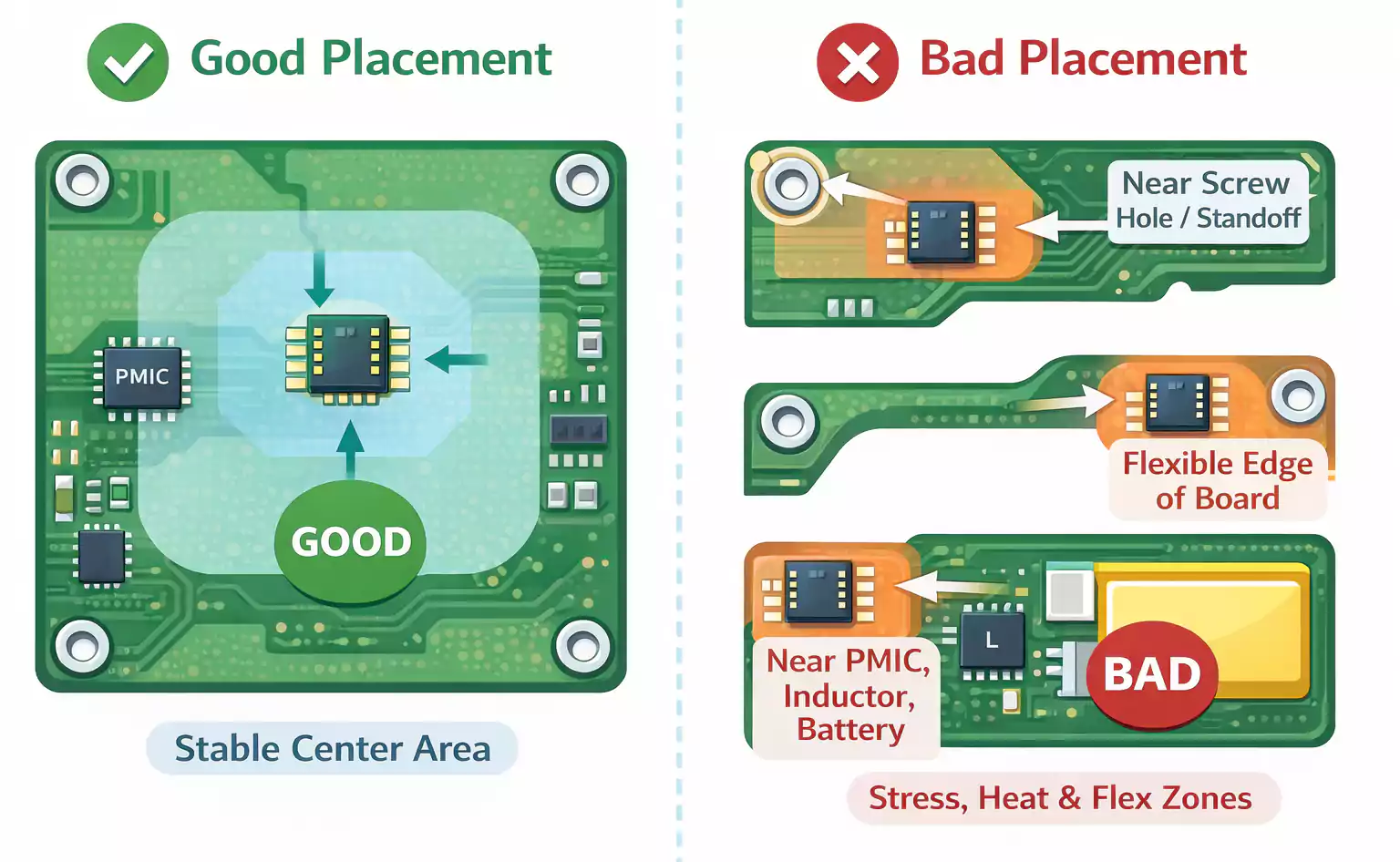
Learn the essentials of PCB accelerometer design, including sensor placement, footprint rules, routing, soldering, and validation. This guide shows how to reduce stress, heat, and vibration effects for more accurate and reliable motion sensing.
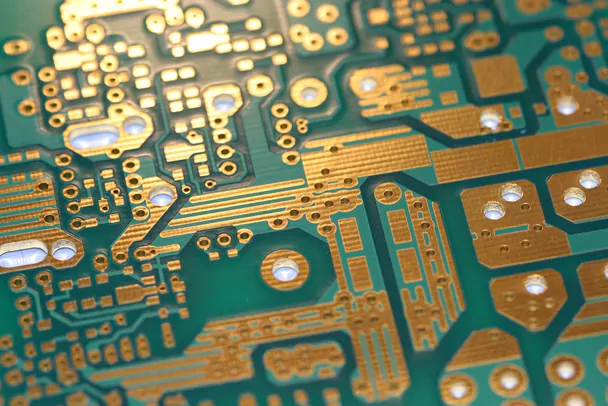
At Fast Turn PCB, we specialize in delivering cutting-edge surface treatment solutions that enhance the reliability and performance of your printed circuit boards (PCBs). One of our core competencies is Gold Finger plating, powered by the Electroless Nickel Immersion Gold (ENIG) process. This technology is essential for PCBs used in telecommunications, automotive electronics, medical equipment, and industrial control systems.
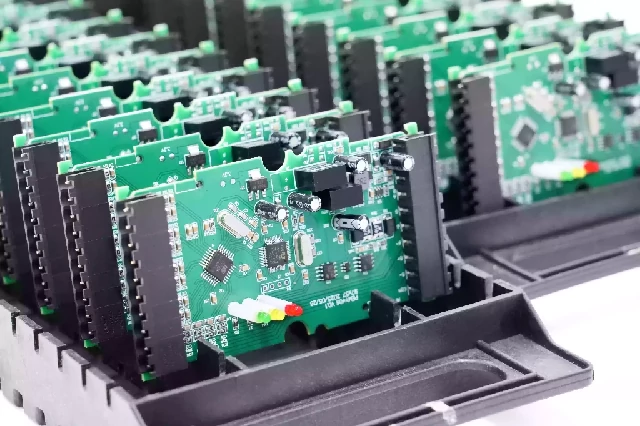
In the field of electronic manufacturing, rapid innovation and diversified product demands require highly flexible and precise production solutions. At Fast Turn PCB, we specialize in small to medium batch and multi-variety PCB and SMT assembly services, offering strong technical capabilities in high-layer count boards, HDI (High-Density Interconnect), and rigid-flex PCBs.
Fast Turn PCB provides turnkey value-added services that go beyond basic PCB production to help customers accelerate time-to-market and streamline their supply chain. Our comprehensive solutions include custom mold making, plastic injection molding, and cable assembly, along with essential services such as IC programming, ICT, FCT, and aging tests—all integrated under one roof to ensure speed, consistency, and quality.
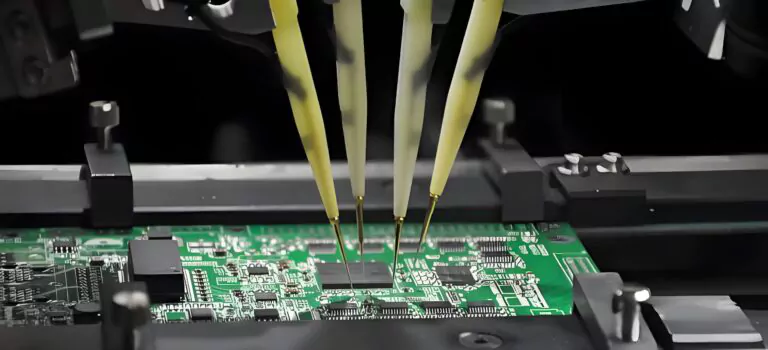
Flying Probe Testing (FPT) is a type of ICT that uses moving probes instead of a fixed test fixture. It’s widely used for prototypes, new product introduction (NPI), and low-volume PCB assembly, offering fast setup and high test coverage without the need for a custom test jig.
Discover the most common testing methods in SMT surface mount technology (SMT test) processing, including AOI, X-ray, SPI, ICT, and more. Learn how these inspections ensure PCB assembly quality and product reliability.
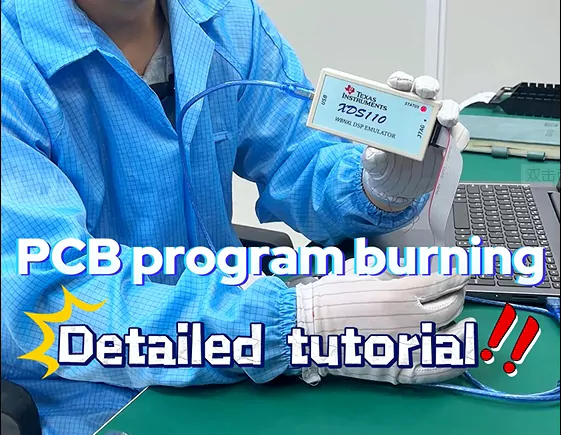
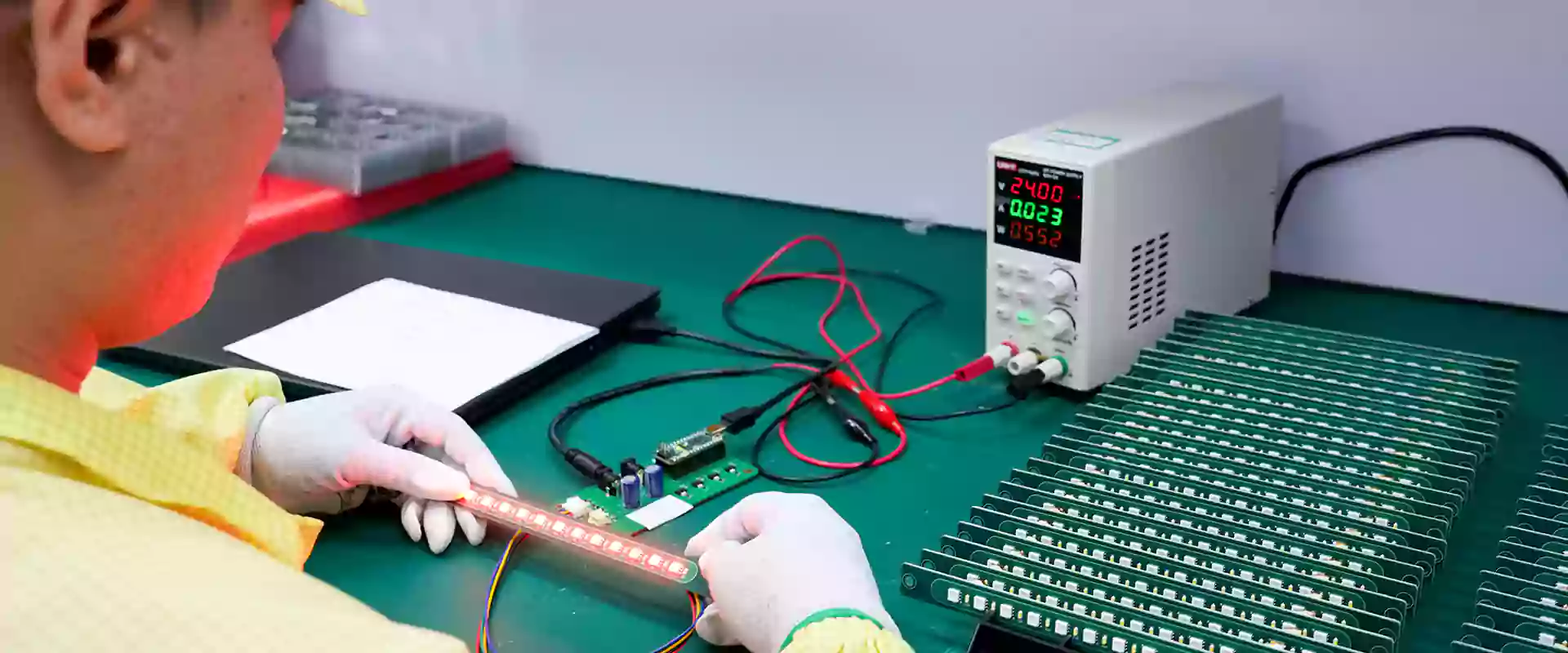
In electronics manufacturing, PCBA programming (commonly known as burning or downloading) refers to the process of writing pre-compiled code into the memory of a PCBA board. A reliable and precise programming process ensures the product operates as designed and delivers stable performance. This guide provides a comprehensive overview of the PCBA programming workflow, common methods, verification, testing, error handling, and the value-added services we offer to support high-quality production.
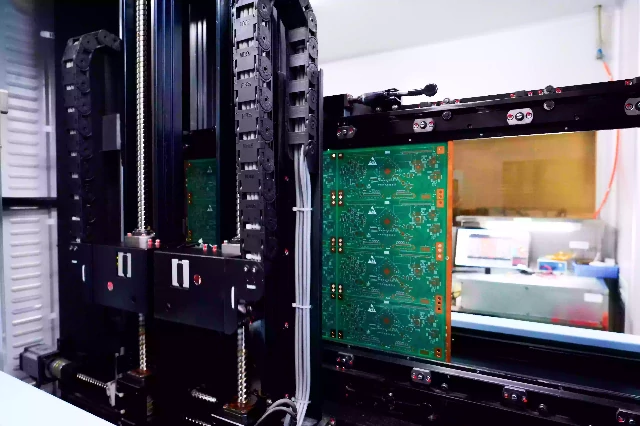
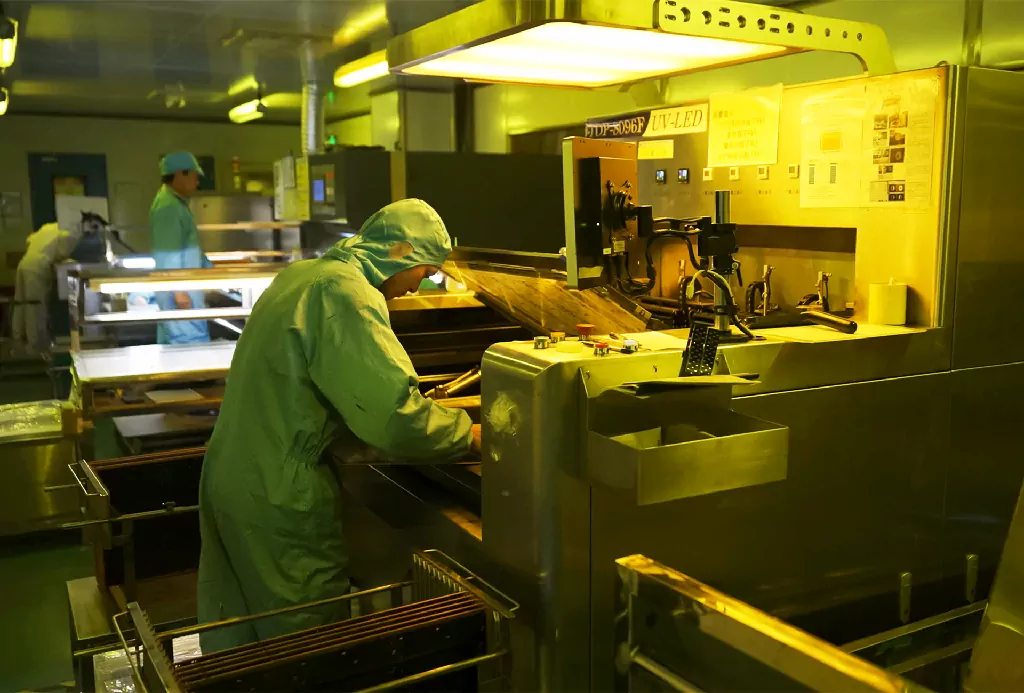
At Fast Turn PCB, Our equipment and rigorous testing processes ensure that every PCB meets the highest standards of quality and reliability. In this blog post, we’ll explore the essential steps involved in PCB appearance and internal quality inspection, as well as the cutting-edge equipment that powers our production line, including LDI (Laser Direct Imaging), Lamination, Gold Finger (ENIG), AOI (Automated Optical Inspection) Scanners, Flying Probe Testers, and Impedance Testers.
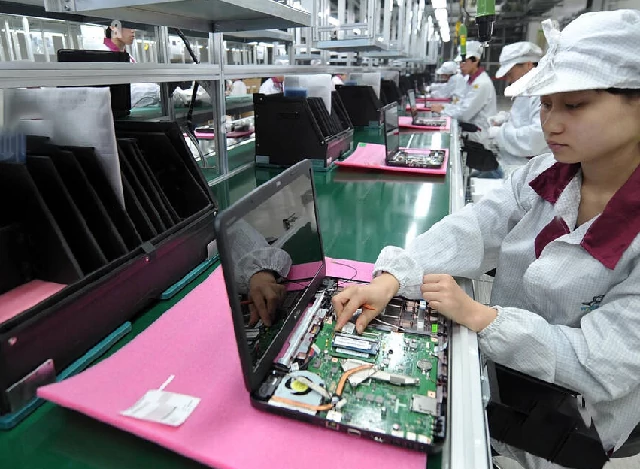
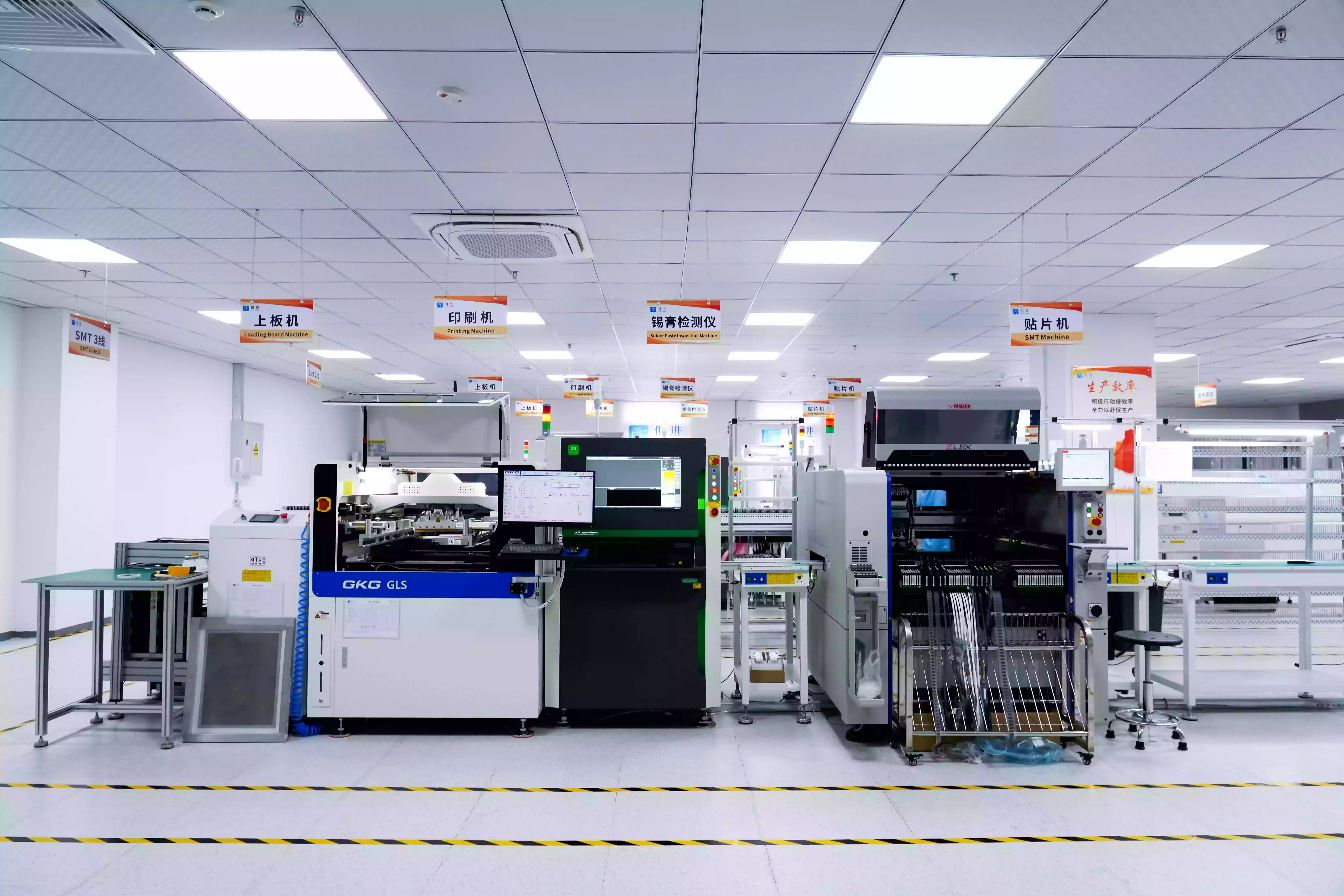
As global semiconductor manufacturing shifts toward Southeast Asia, the capability and automation level of PCBA equipment has become a crucial benchmark of competitiveness. In an environment challenged by labor shortages and unstable supply chains, having advanced PCBA facilities is the key to delivering quality and speed.
In today’s fast-paced electronics industry, one-stop PCBA services have become a game-changer for businesses looking to optimize their PCB production. These comprehensive services provide customers with an all-inclusive solution, ensuring higher efficiency, cost-effectiveness, and quicker turnaround times.