Stay Updated With The Latest Insights, Trends, And Innovations In Electronics Manufacturing. Explore Expert Articles, Industry Analysis, And Technical Guides Curated By The fastturn Team.
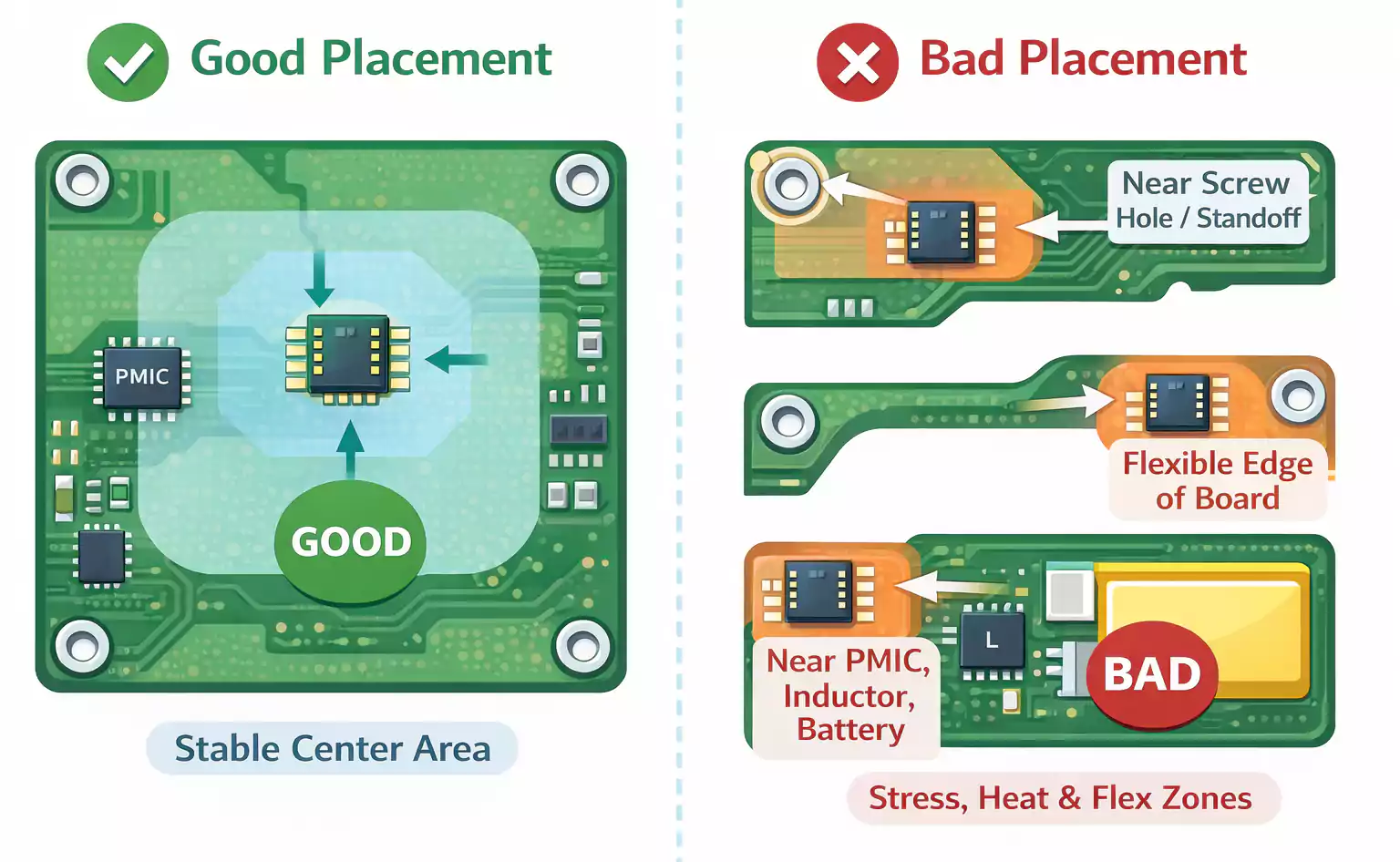
Learn the essentials of PCB accelerometer design, including sensor placement, footprint rules, routing, soldering, and validation. This guide shows how to reduce stress, heat, and vibration effects for more accurate and reliable motion sensing.
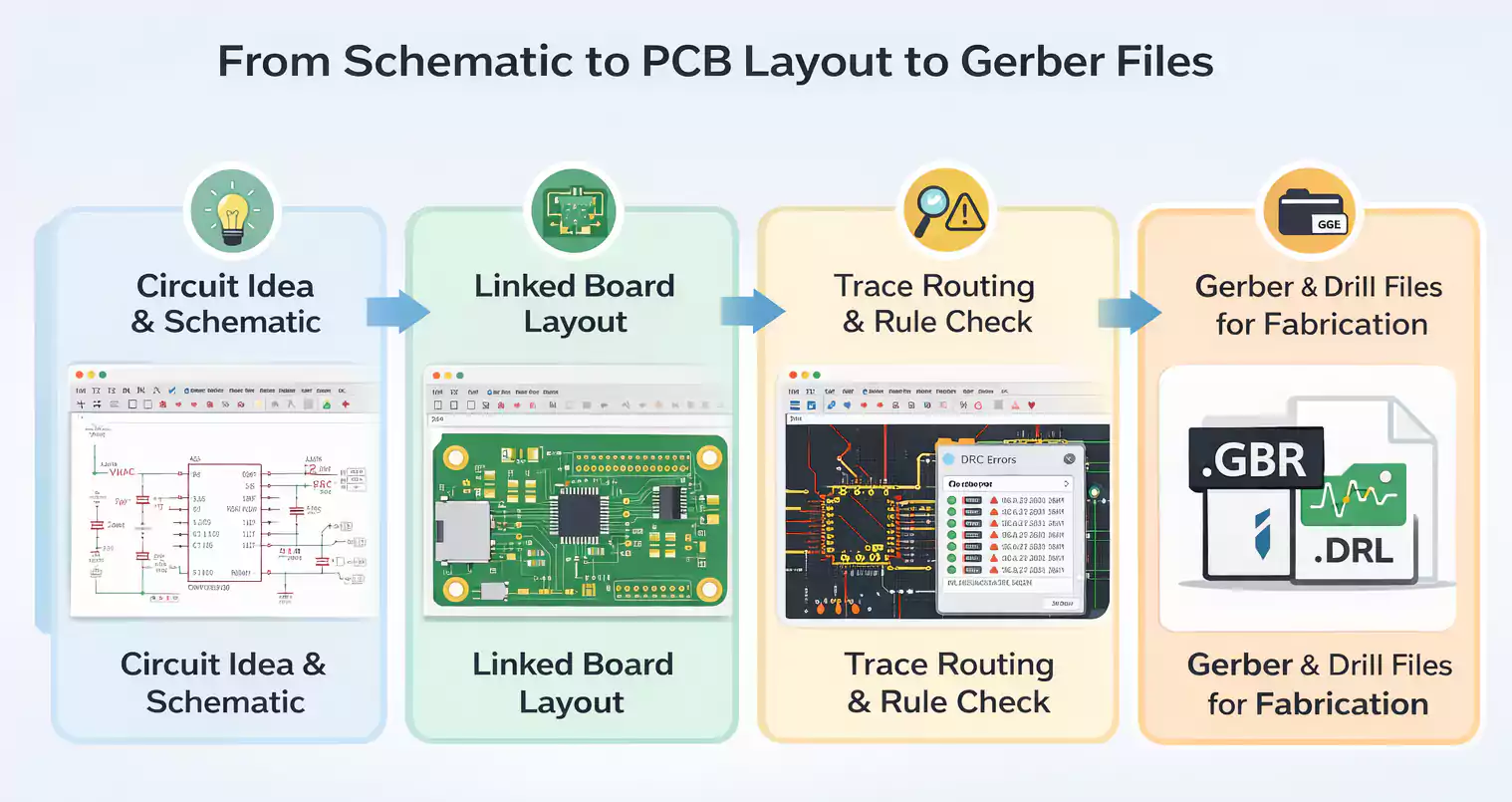
EAGLE CAD PCB Design made simple: learn how to go from schematic to PCB layout, routing, design checks, and Gerber files. This practical guide covers the key steps, layout tips, and common mistakes to help you build manufacturing-ready boards.
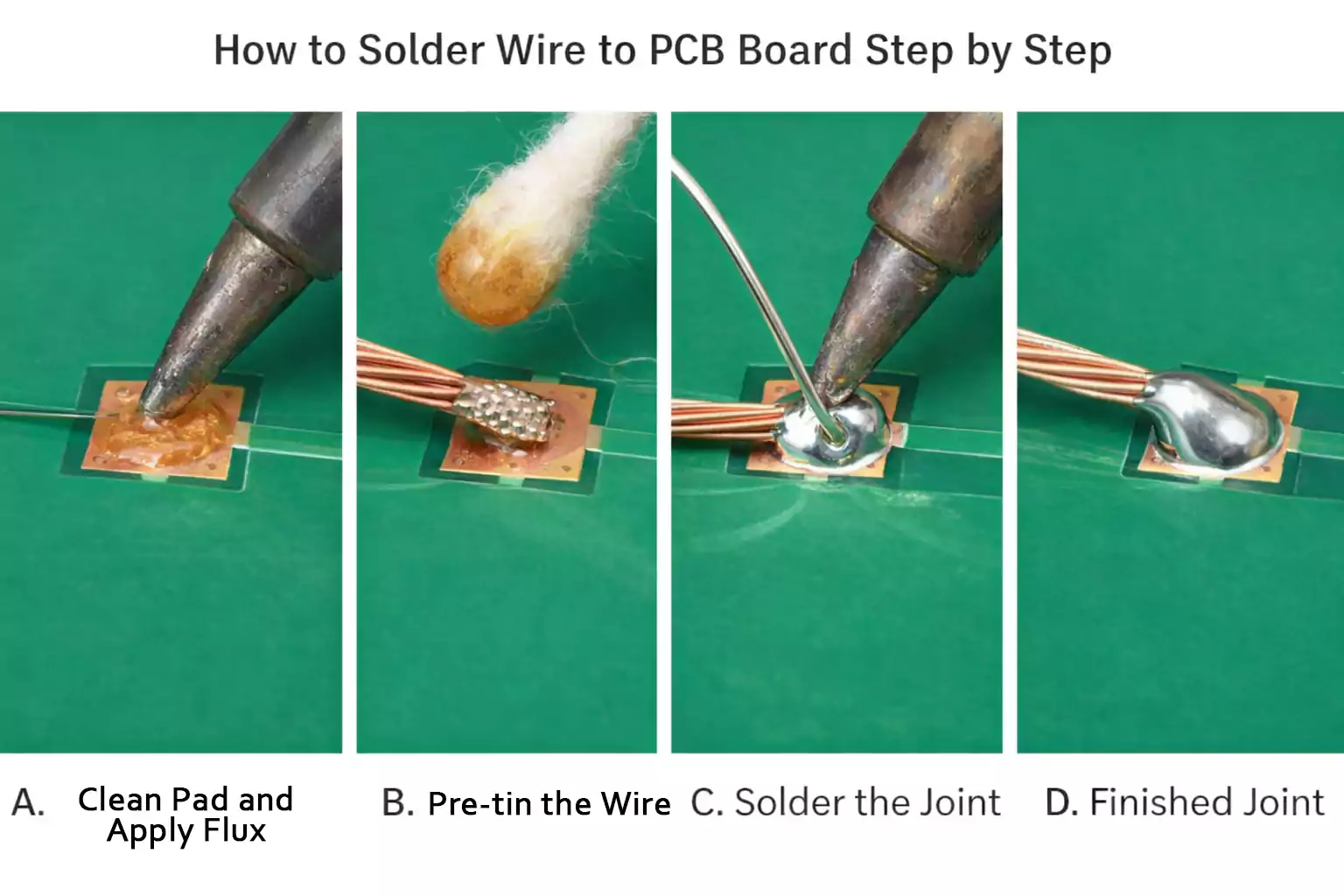
Learn How to Solder Wire to PCB Board step by step, including wire and pad preparation, through-hole and surface pad soldering, common mistakes to avoid, and simple strain relief methods for stronger, more reliable connections.
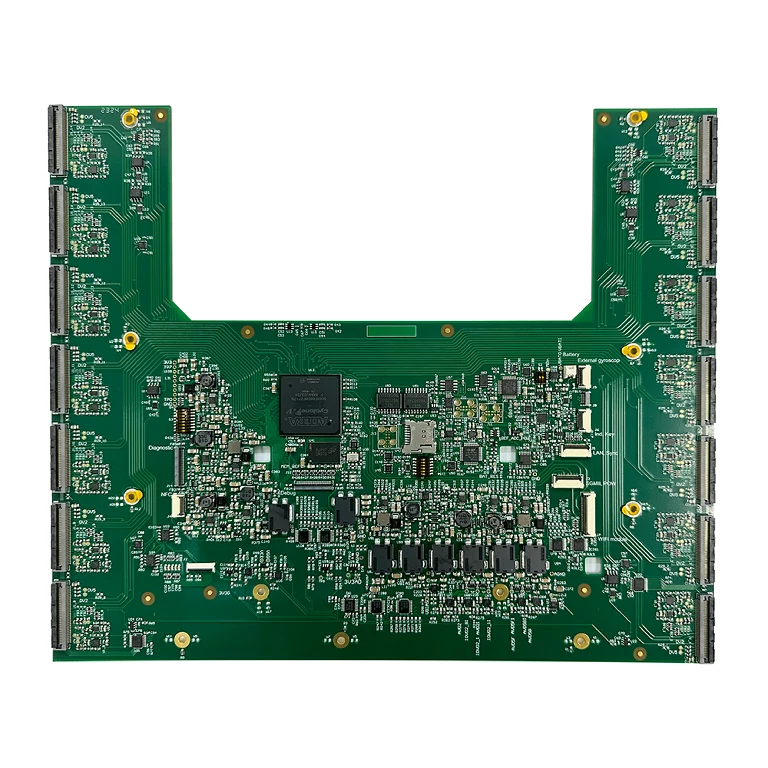
What is a motherboard PCB? This guide explains how it differs from a standard PCB or PCBA, how it works, and why it matters in system design and performance.
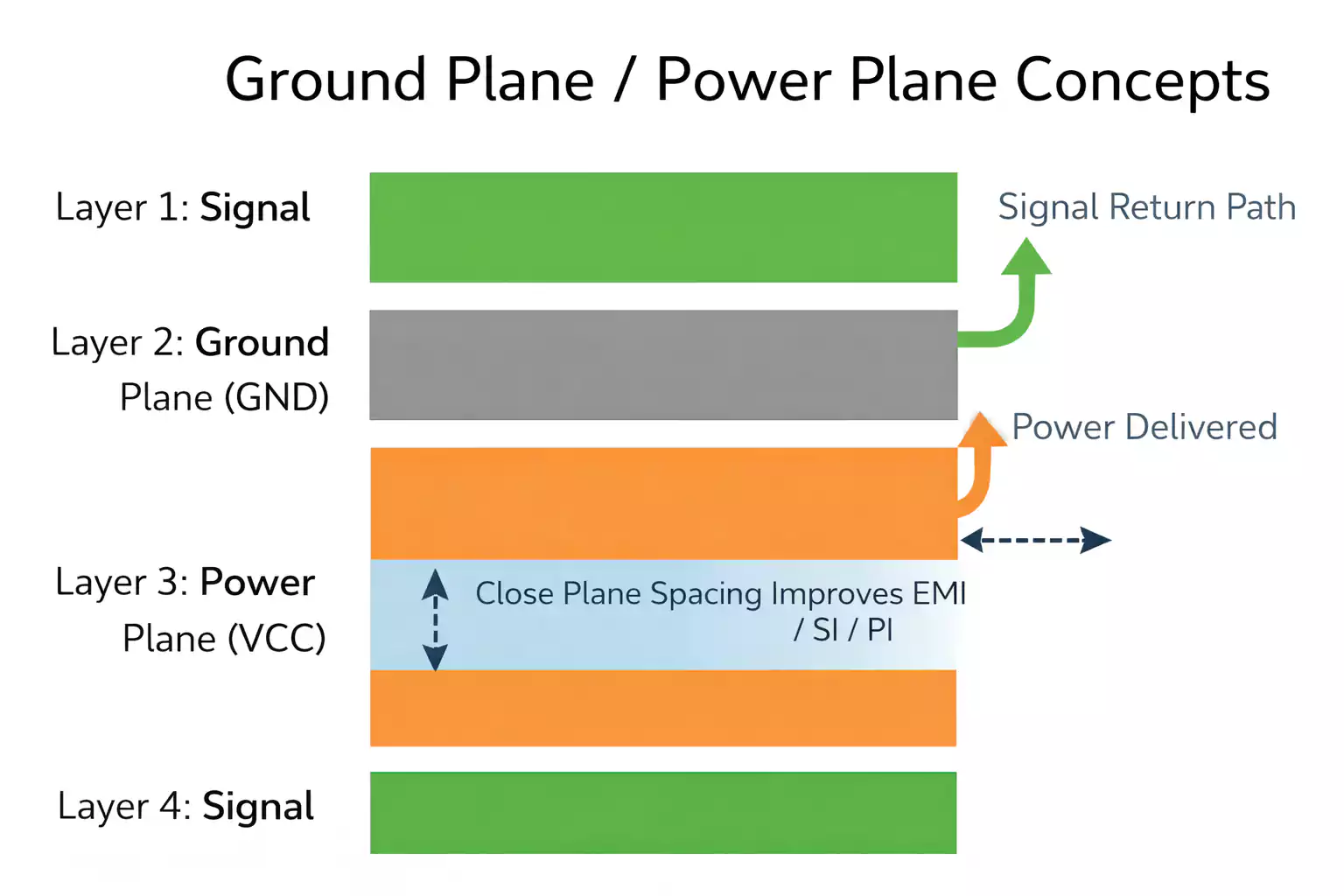
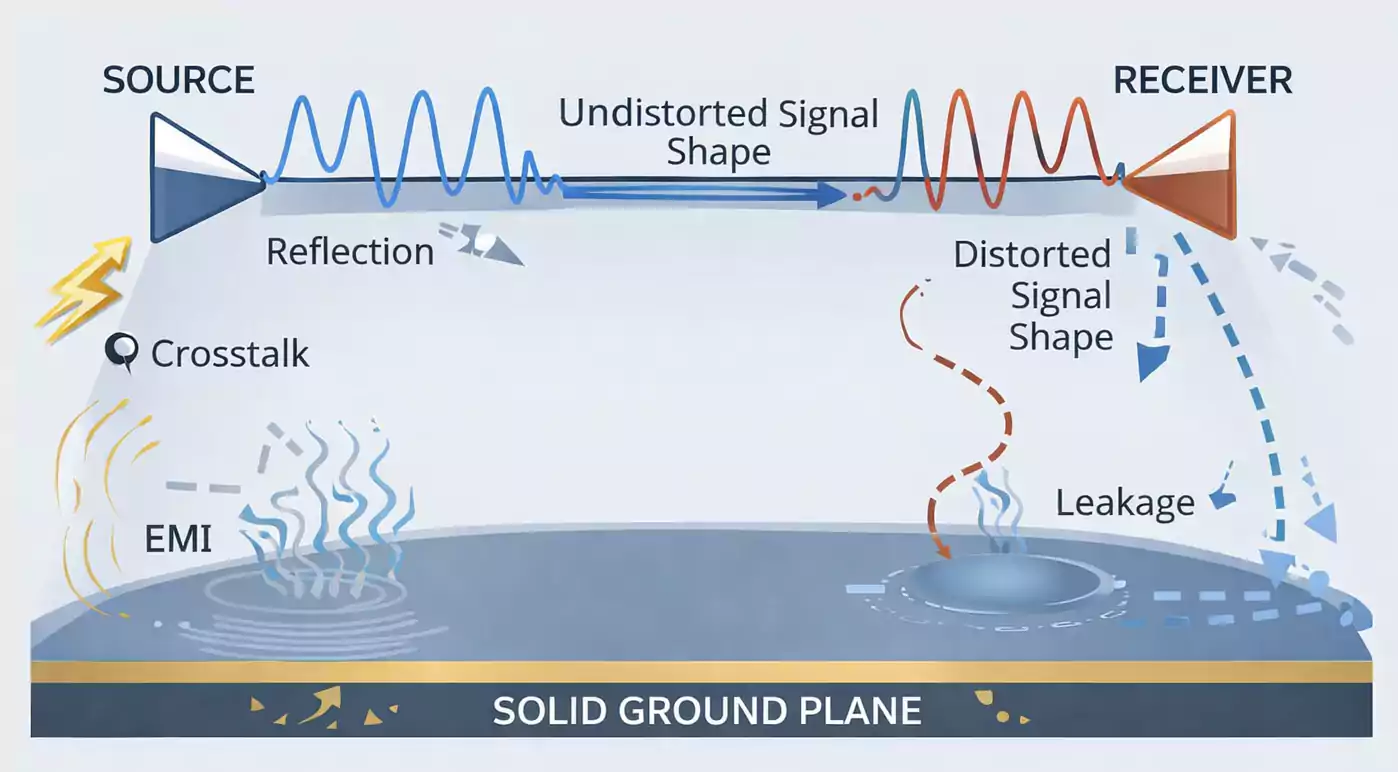
Learn how PCB ground plane and power plane design affect return path control, EMI, and signal integrity in high-speed PCB layouts. This guide covers ground plane basics, 2-layer vs. multilayer design, decoupling, and practical best practices for more stable, reliable boards.
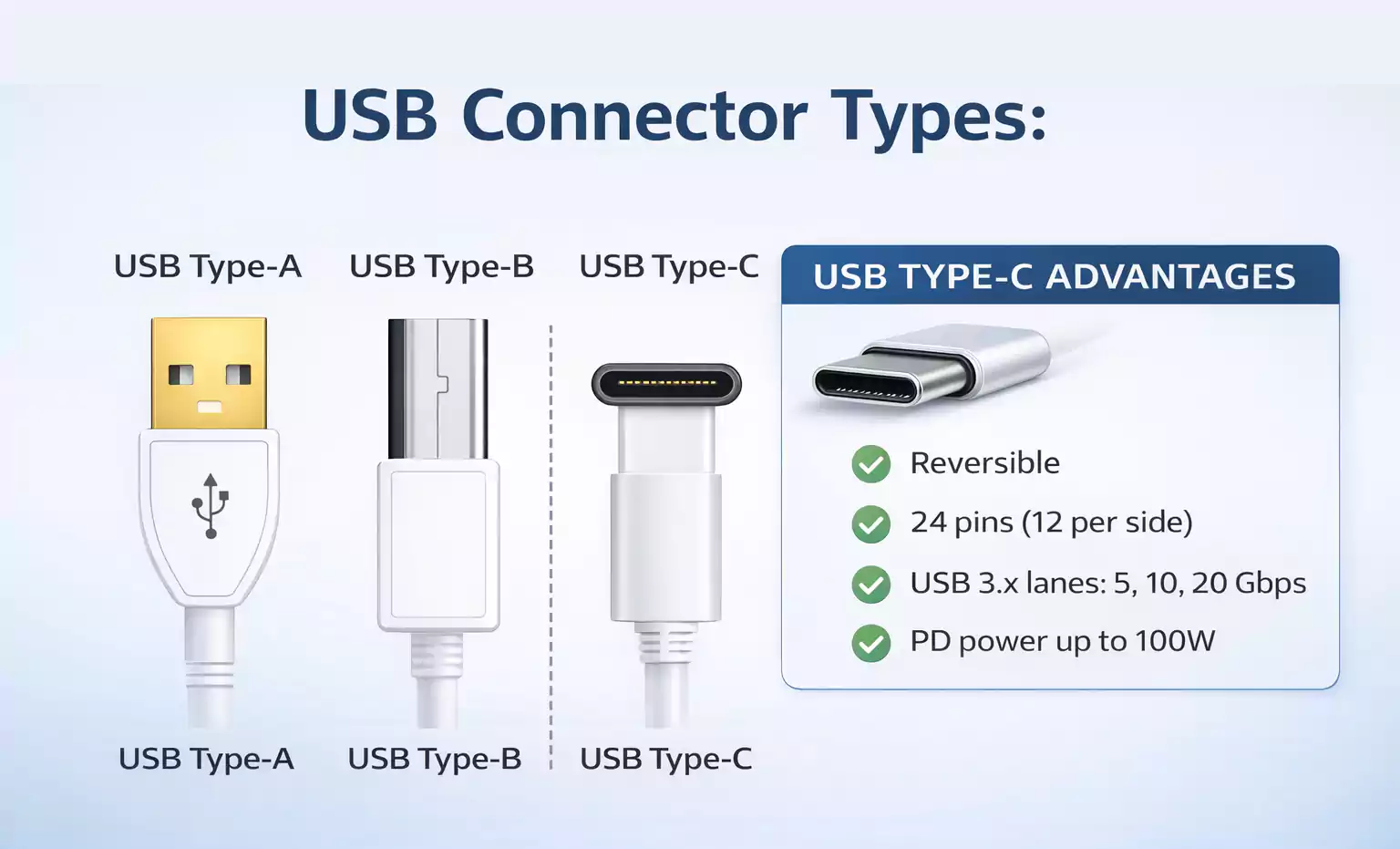
USB Type-C PCB layout made practical: learn CC pin basics, ESD placement, 90Ω differential routing, length matching, via control, and solid return paths to build reliable high-speed USB PCBs and avoid EMI failures and re-spins.
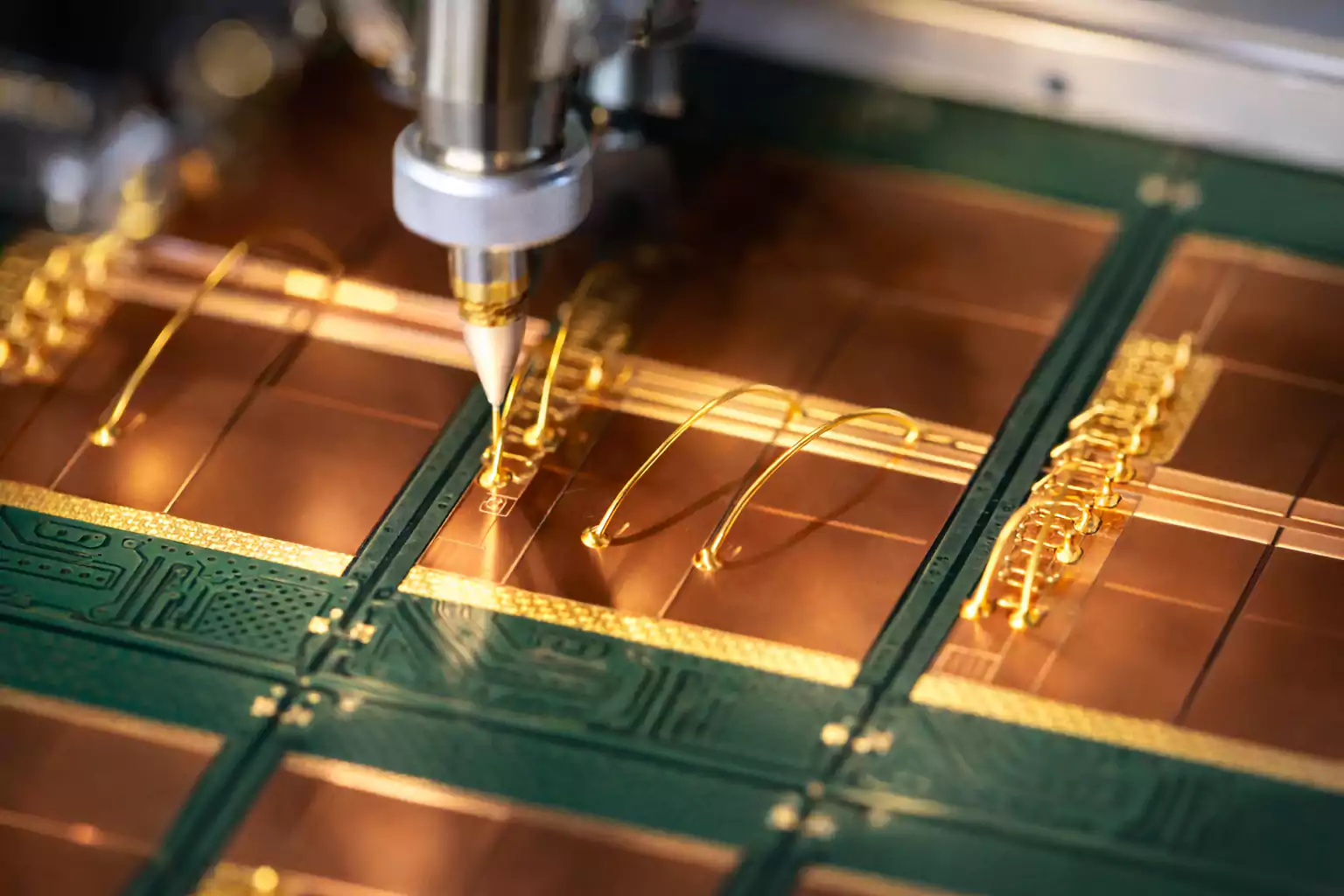
Learn how to design PCBs for wire bonding gold wire with fewer failures. This guide explains why 2U gold thickness matters, when to choose ENEPIG vs ENIG, and how to prevent nickel exposure and black pad for higher bonding yield and long-term reliability.
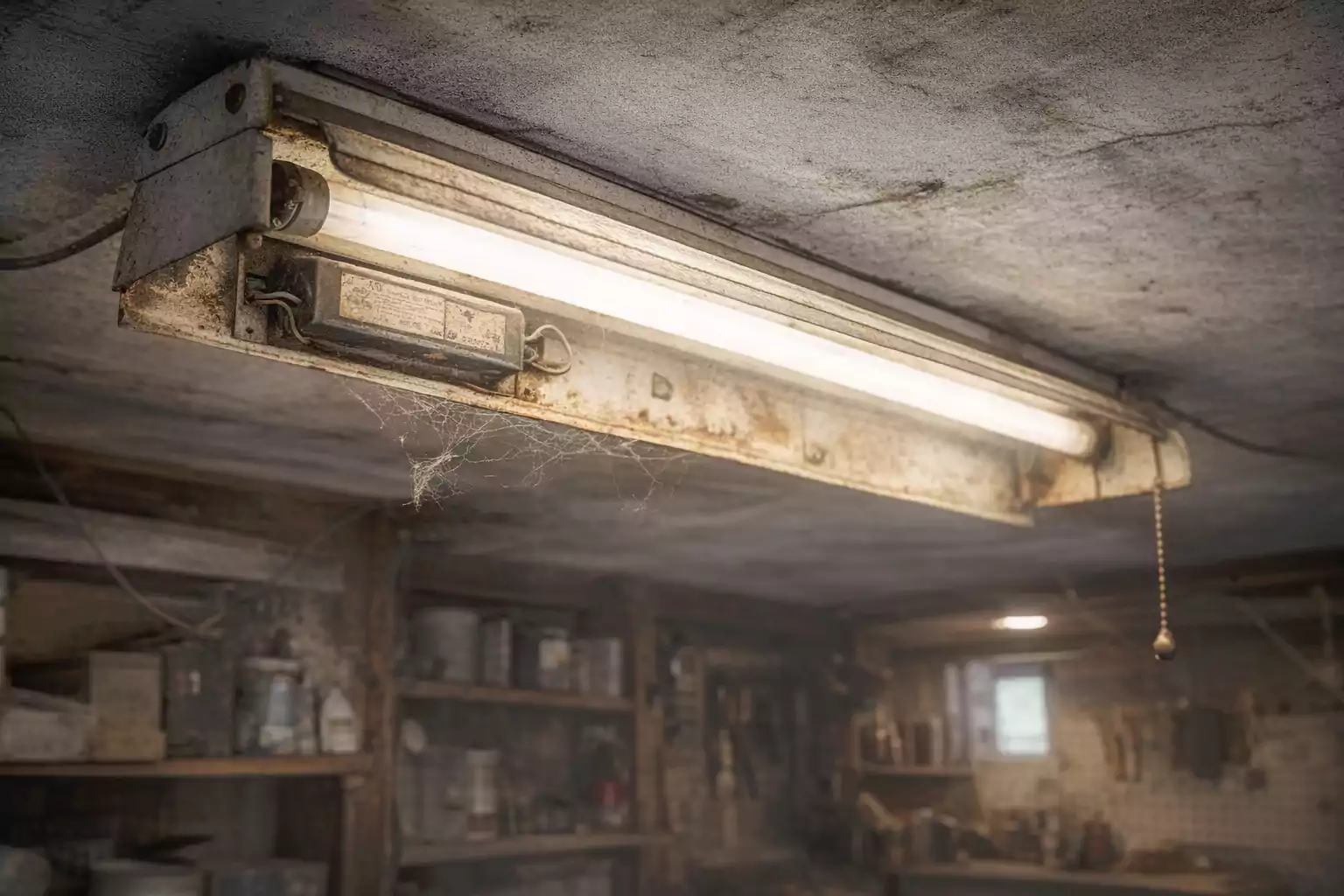
Older fluorescent fixtures may still contain PCB ballasts (PCBs = polychlorinated biphenyls), especially in pre-1979 buildings and T12 systems. Learn how to spot them fast, what to do if they leak, and why an LED retrofit is often the safest fix—plus a simple checklist and FAQ from FastTurnPCB.