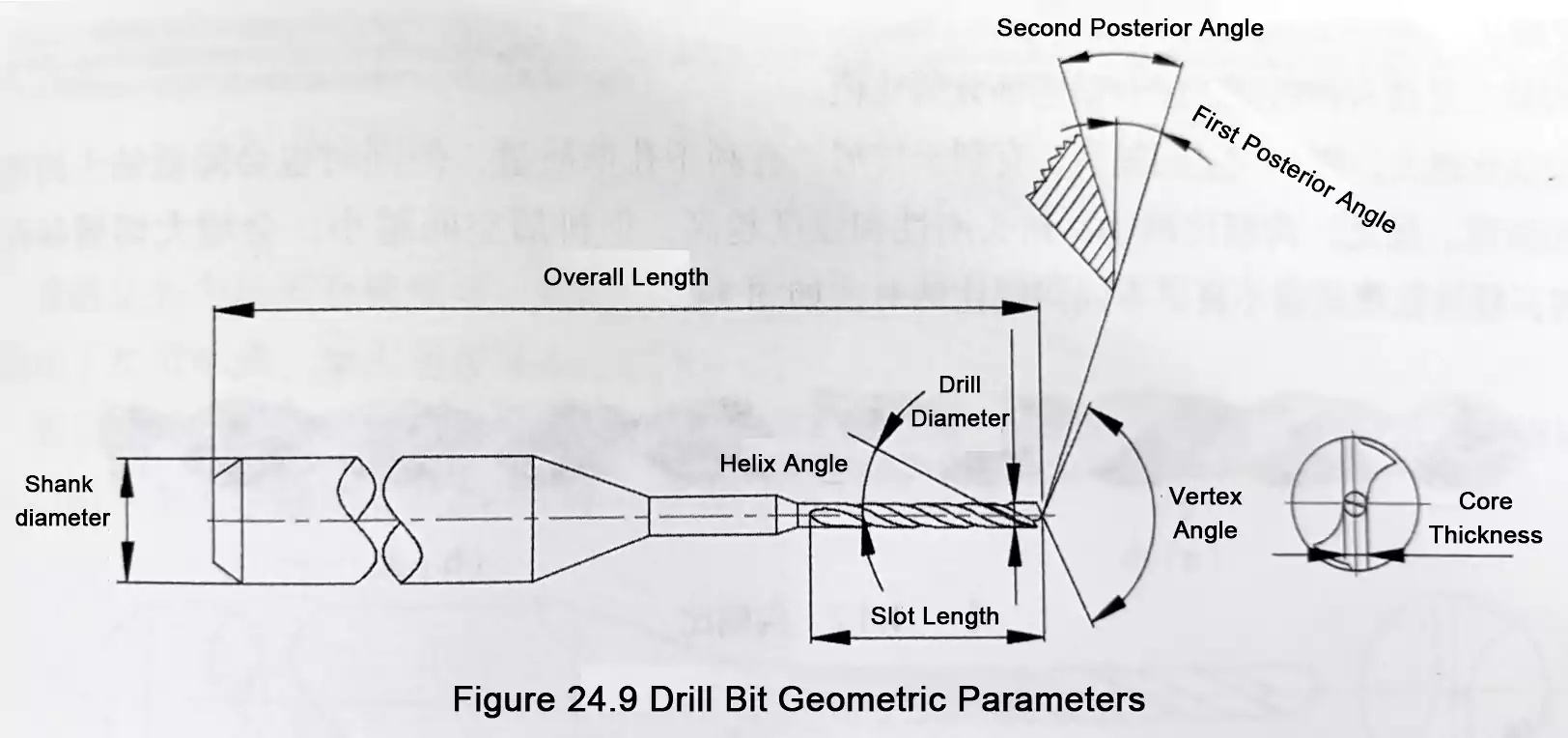
Learn how PCB Drill Bits are designed, from PCB drill bit materials to drill bit geometry, helix angle, point angle, and other key parameters that affect hole quality and drilling performance.
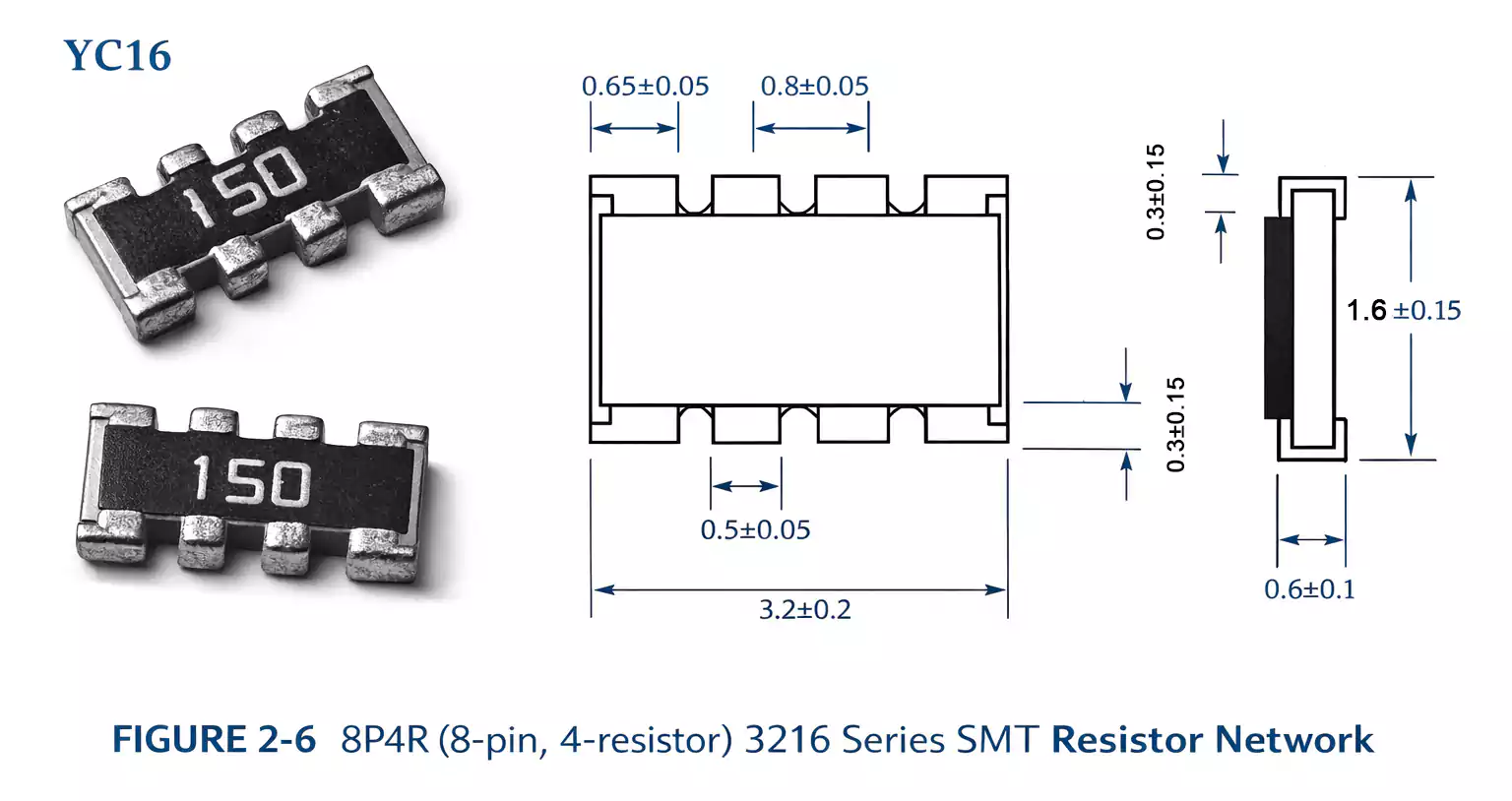
Learn what an SMT resistor network (resistor array) is—types, packages, circuit options, and applications—to optimize PCB design, reliability, and assembly.
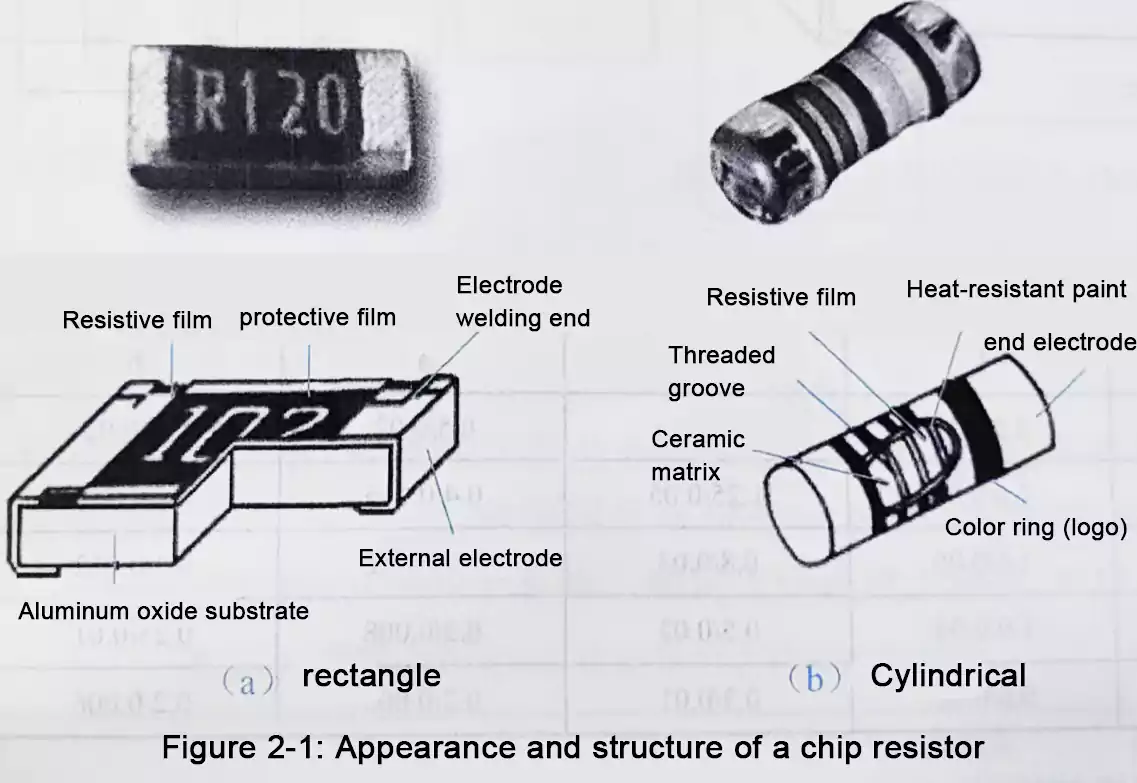
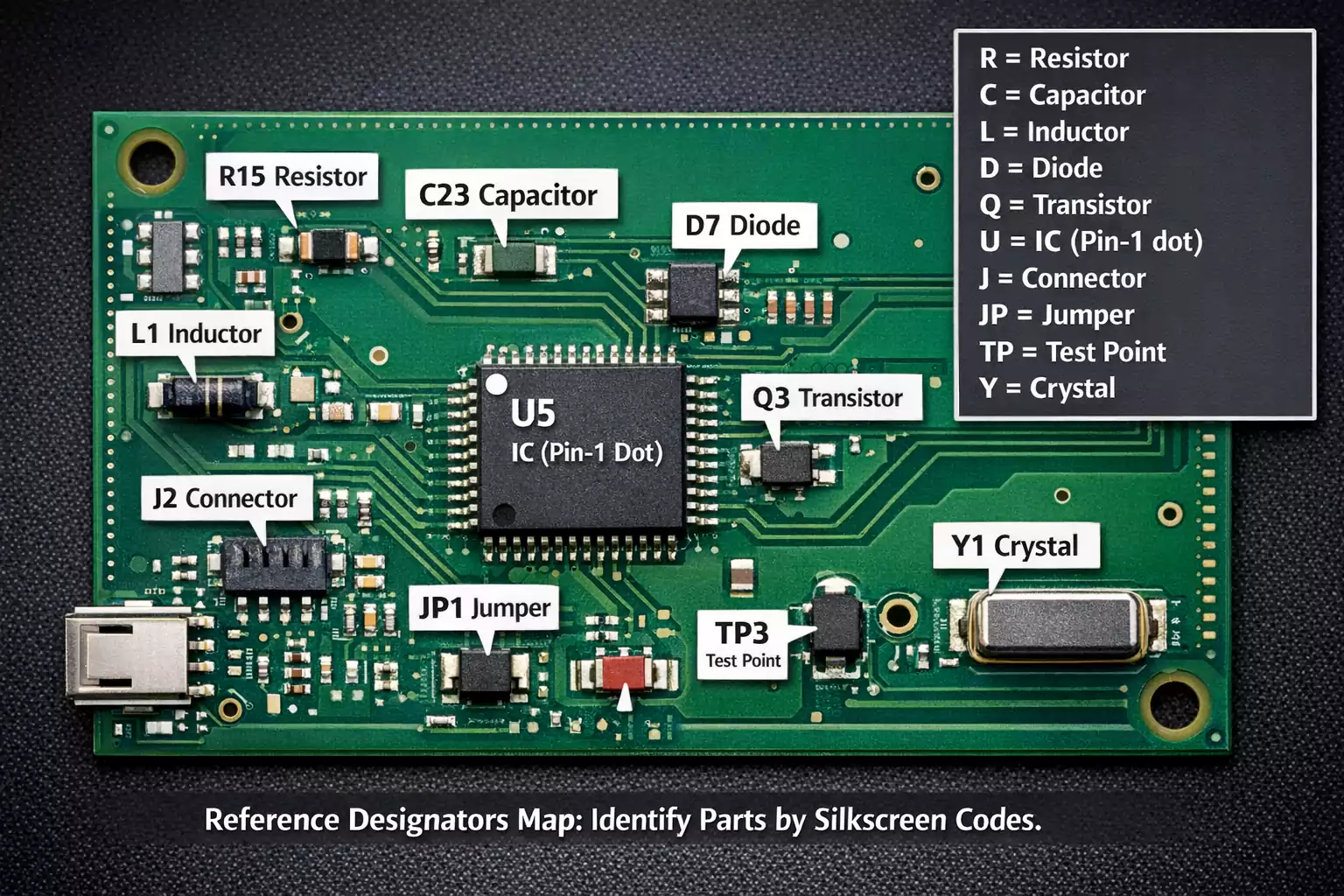
Chip resistor demystified: SMD types, sizes, power ratings, terminal structure, and how to read SMD resistor codes—clear tips to improve solder reliability and PCB design.
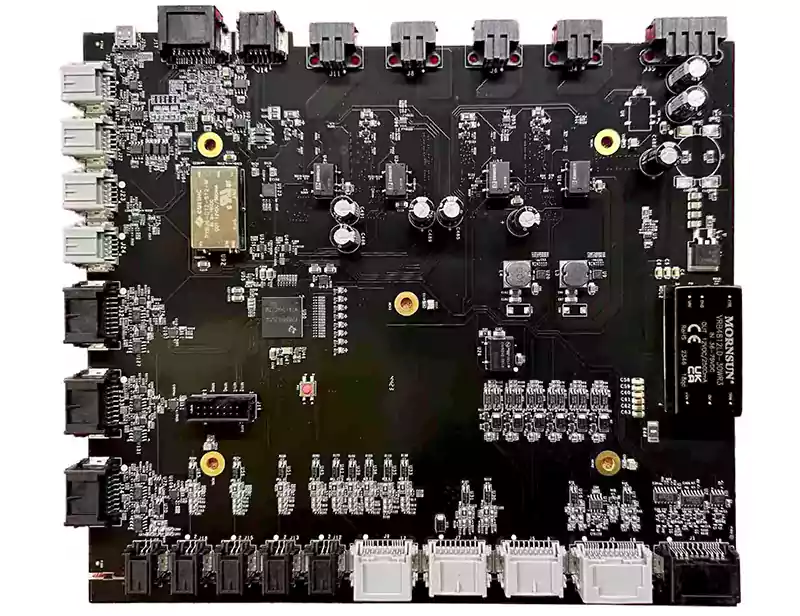
Learn what a black PCB is: black solder mask vs black-core FR-4, key pros and cons, AOI challenges, silkscreen readability, and ground-plane design tips.
Learn how to get reliable quick turn PCB and PCB assembly in the USA — 24–72 hour prototypes, turnkey options, practical DFM tips, and how to cut lead time without risking quality.
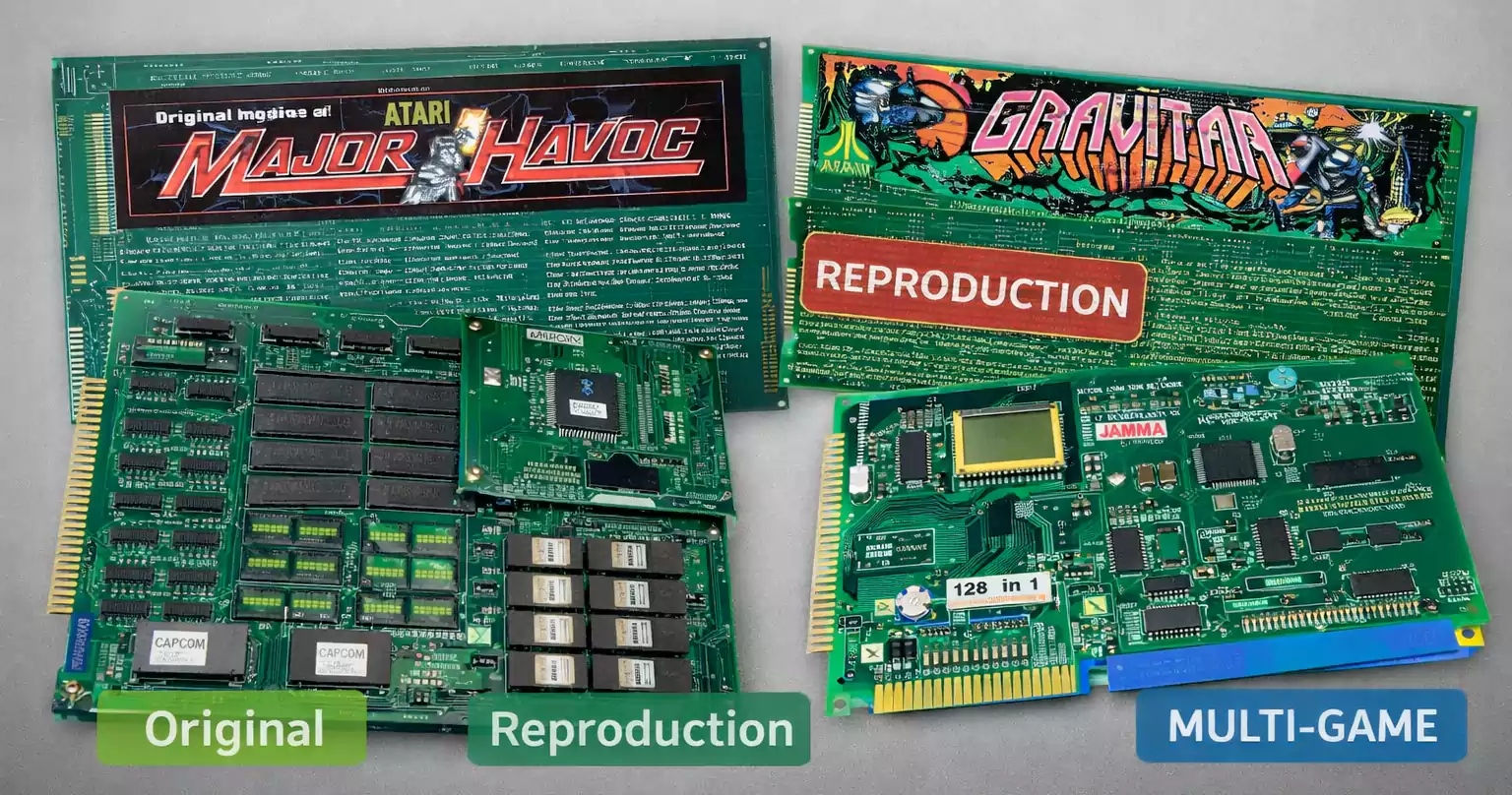
Learn how to replace or reproduce Arcade PCB with confidence — JAMMA compatibility, smart buying tips, common repairs, and step-by-step Arcade1Up Pac-Man fixes.
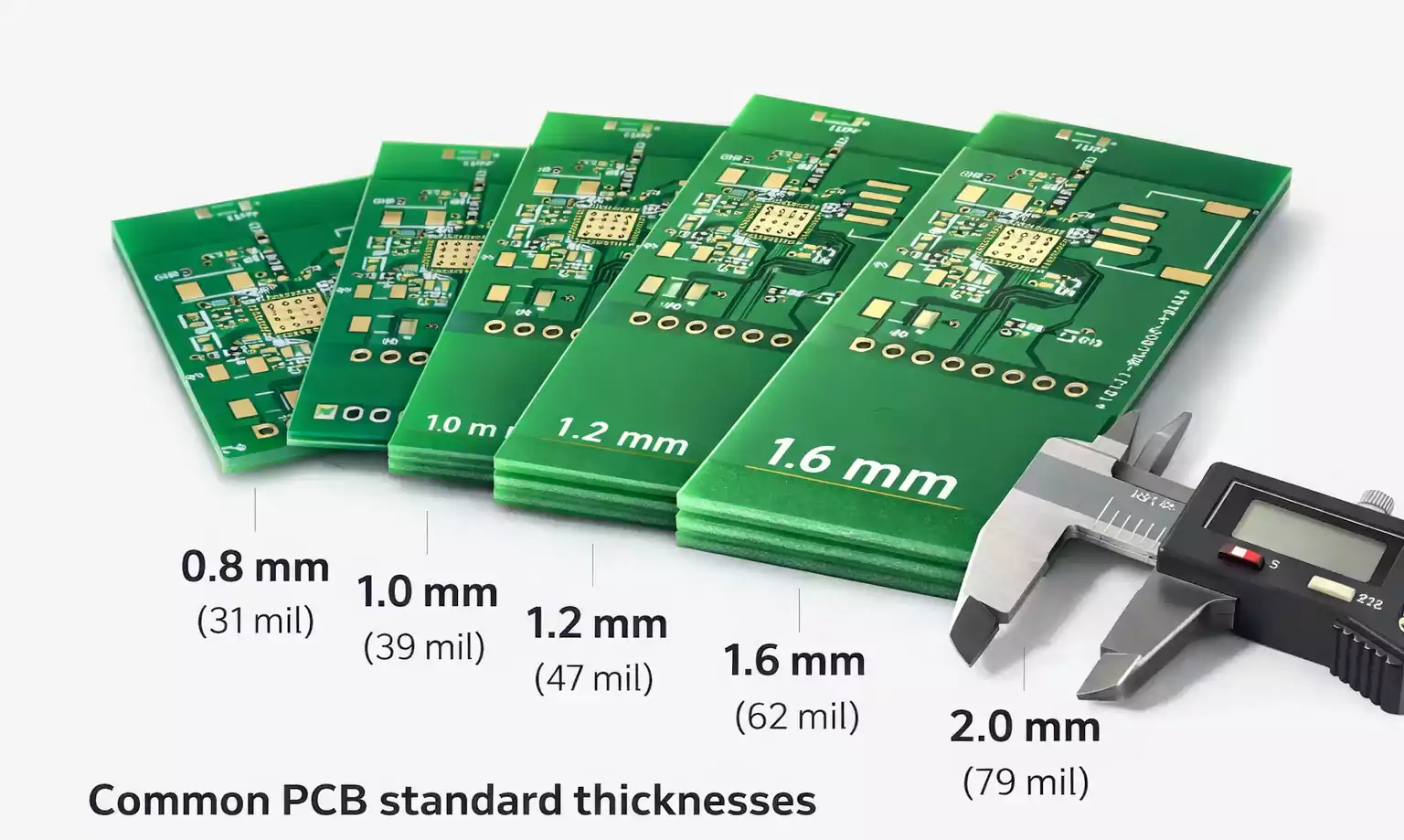
Choose the right PCB Standard Thicknesses: compare 0.8–2.0 mm options, applications, tolerances, stackup tips, and connector fit to reduce costs and accelerate production.
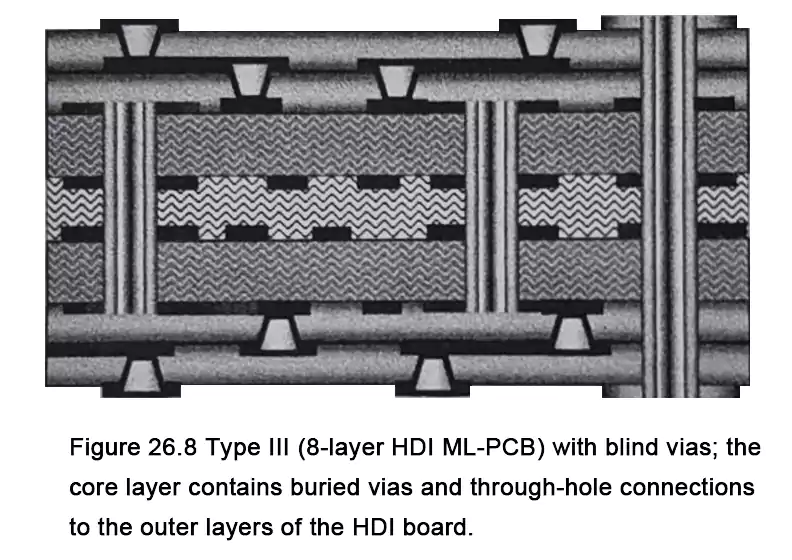
Master IPC Multilayer PCB Classification with this practical guide to IPC-2221/2222/2226 — learn Type 3/4 vs. HDI types, pick the right stack-up for cost, manufacturability, and reliability.
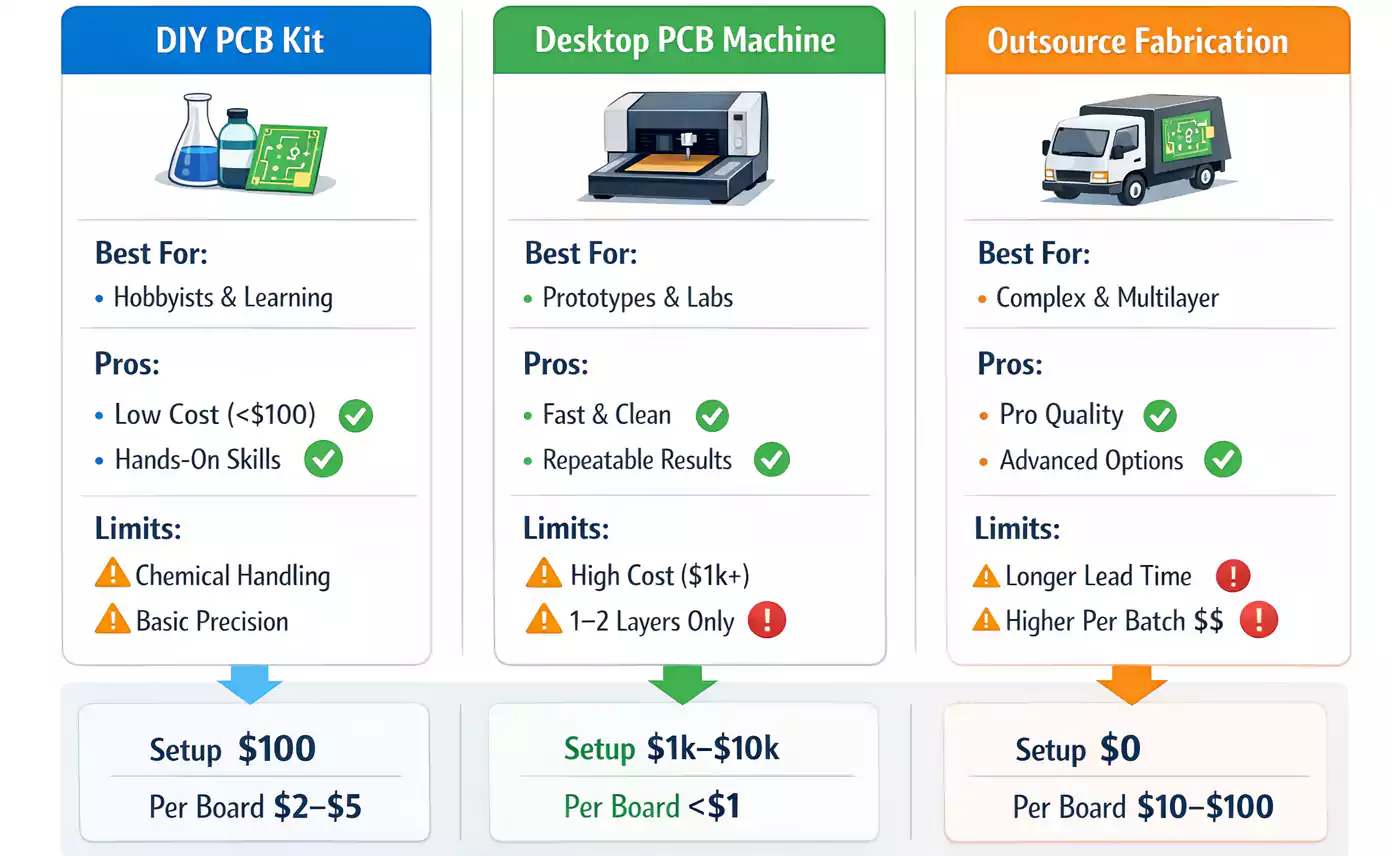
Learn how to make PCBs at home, what a PCB kit contains, top starter kits, and when to choose a desktop PCB-making machine — step-by-step tips & safety.
PCB prototype board guide: when to move from breadboards, quick-turn prototyping & assembly tips, plus a practical DFM checklist, lead-time benchmarks, and low-volume manufacturing advice.