


Definitive HDI PCB Guide: Design, DFM Rules & Manufacturing for High-Density Boards
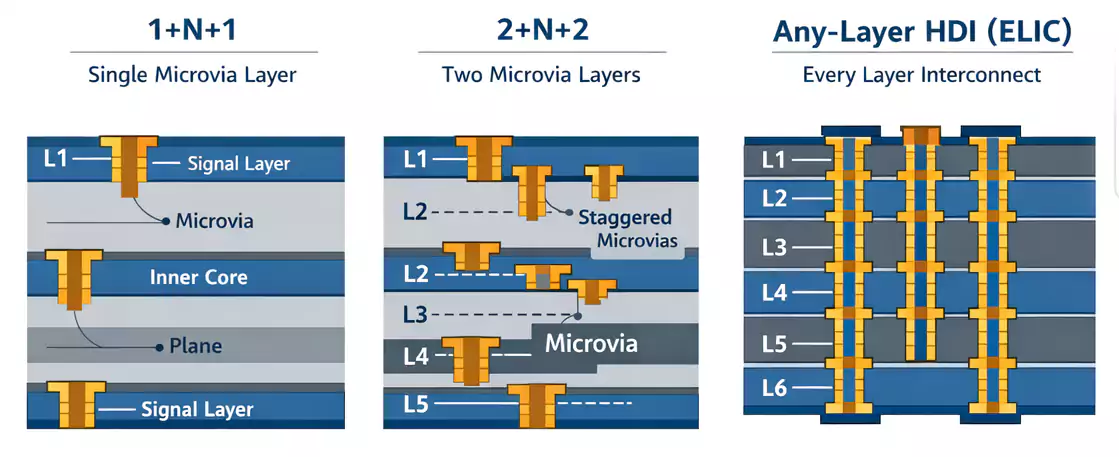
Master HDI PCB design: stack-ups, DFM rules, microvia & via-in-pad best practices, reliability checks, and cost-saving tips for volume manufacturing.
Copper Foil Roughness in High-Speed PCBs: How It Causes GHz Signal Loss — and What to Do

Learn how copper foil roughness drives GHz signal loss in high-speed PCBs. Clear skin-effect primer, Df test highlights, and practical fixes—use low-profile or RTF foils to cut insertion loss.
Choosing the Best Copper Foil for High-Density PCBs: HTE, Low-Roughness & Reliability Explained

Quick guide to choosing copper foil for high-density PCBs: HTE, low-roughness, RTF and resin-specific foils to boost reliability, yield, and high-speed signals.
Increase PCB Wiring Density: 3 HDI Strategies for Better Yield & Performance
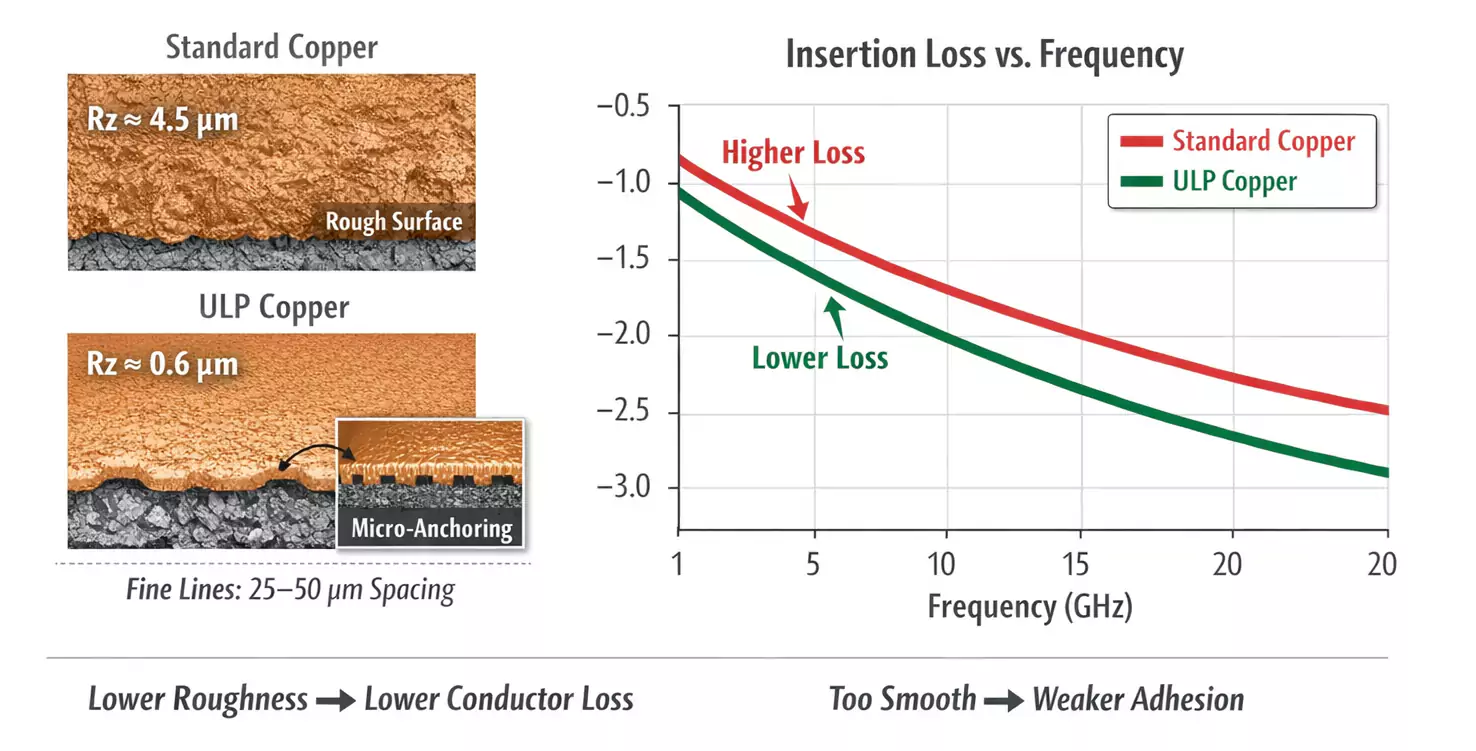
Discover 3 HDI strategies—fine-line etching, extra layers, and microvias—to increase PCB wiring density while maintaining yield and high-frequency performance.
Dielectric Constant and Permittivity: PCB Dk & Df for FR-4, Teflon
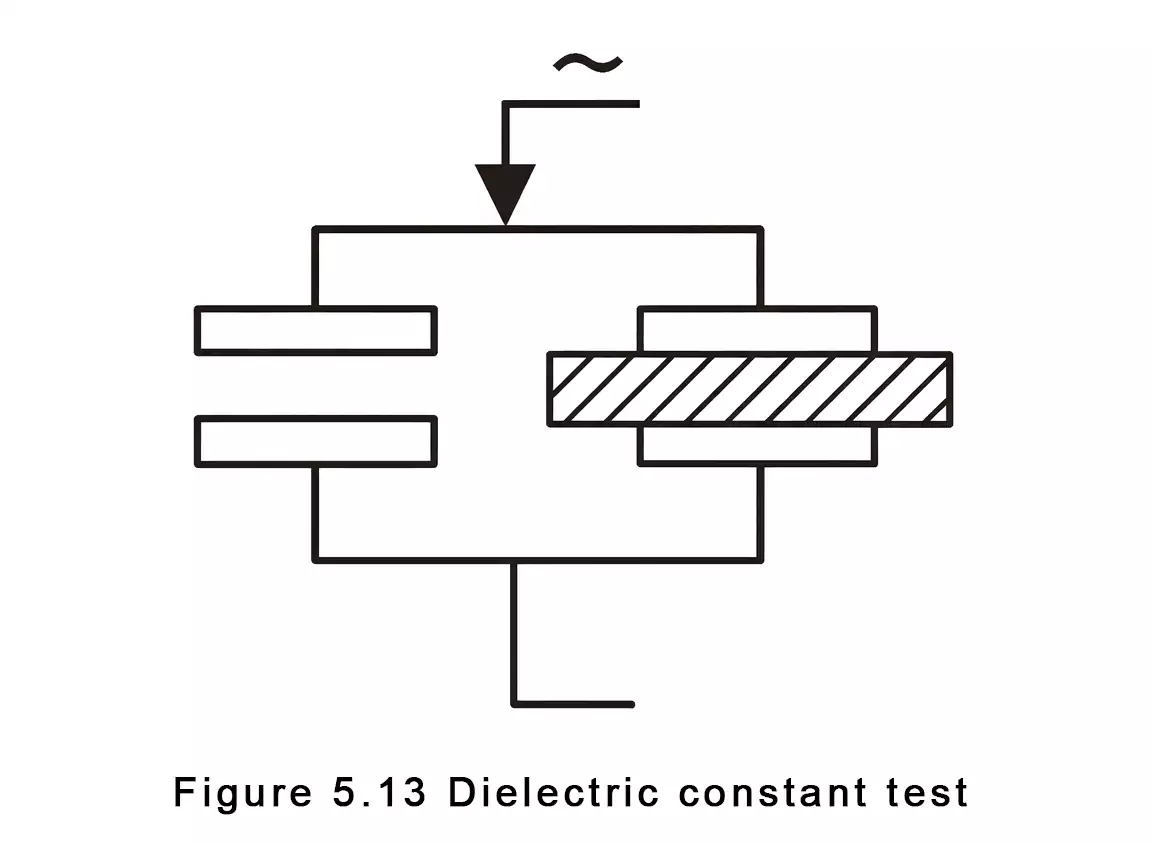
Dielectric constant and permittivity: Learn Dk vs Df, why FR-4 and Teflon differ, and how to pick low-loss PCB materials for reliable high-speed designs.
UL 94 V-0 / V-1 / V-2 for PCBs: Flammability Test Rules & How to Pass
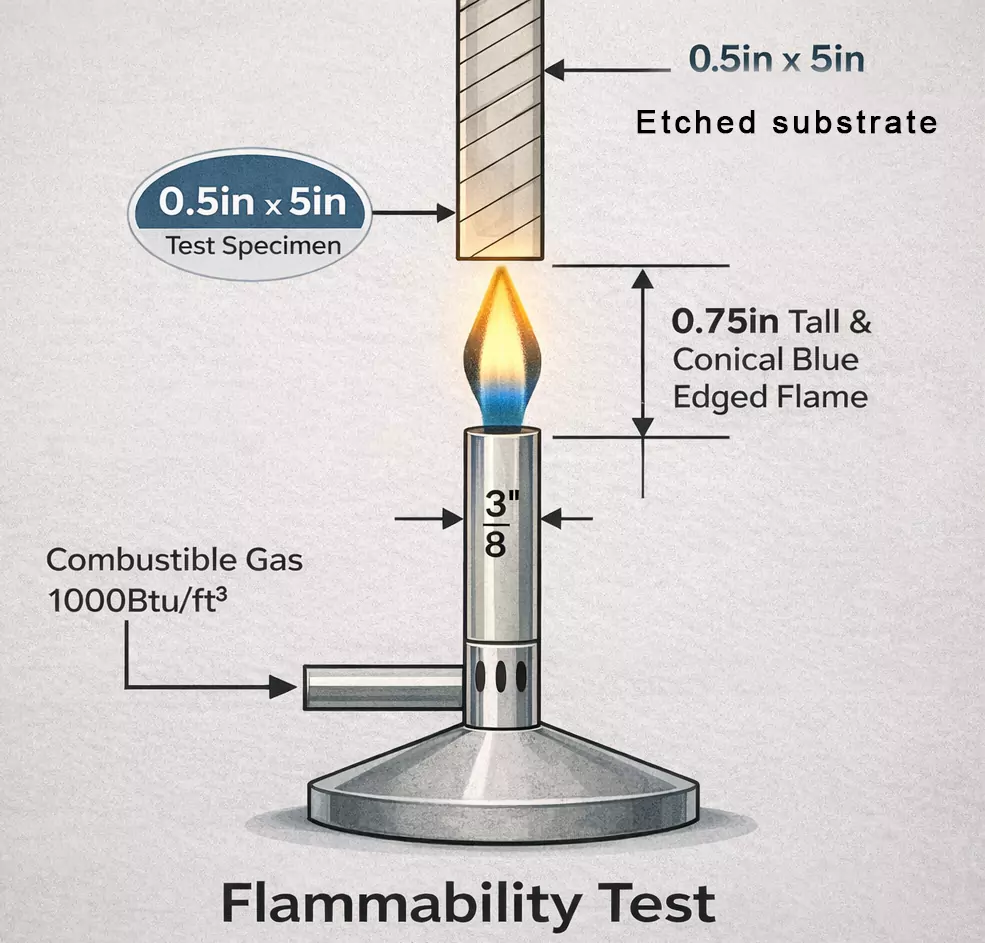
Clear guide to UL 94 V-0/V-1/V-2 for PCBs: flammability criteria, test steps, material choices, and a checklist to help your board pass certification.
PCB Materials Guide: How to Choose FR-4, Low-Loss, BT, PPO & Polyimide
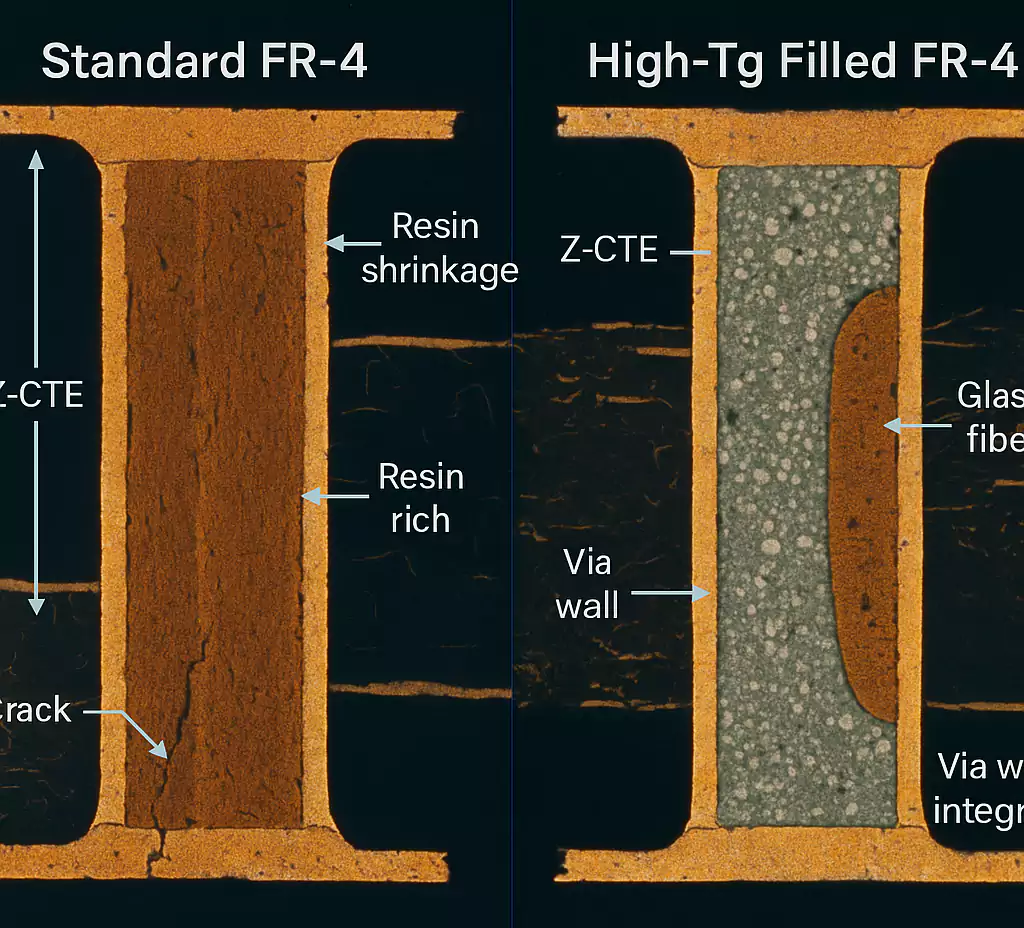
Choose the right PCB materials fast — FR-4, high-Tg, low-loss laminates, BT, PPO or polyimide. Compare Tg, Dk/Df, T260/T288 and get practical DFM tips for prototypes.
Ceramic PCB: AlN vs Al₂O₃ — Thermal Performance, Cost & When to Use
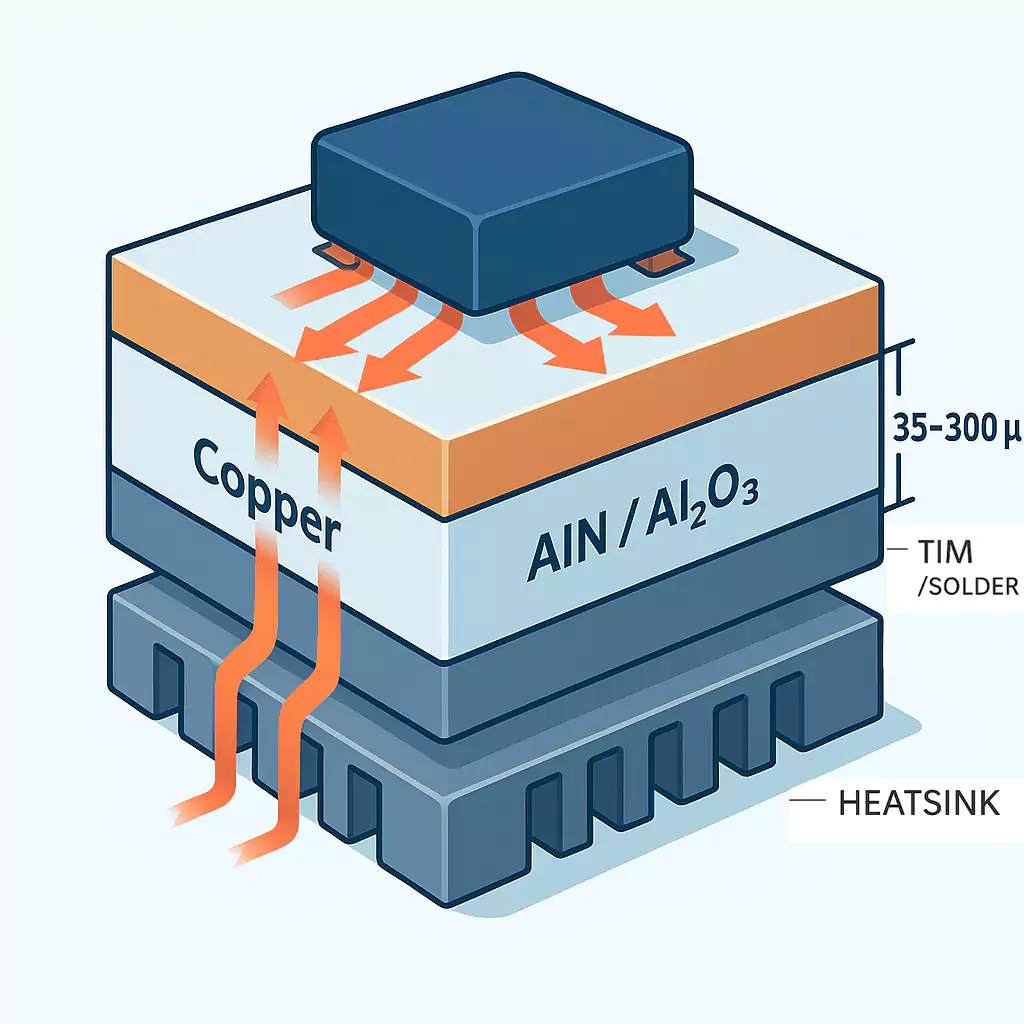
Learn how ceramic PCB (AlN vs Al₂O₃) outperforms FR-4 and aluminum in thermal, RF, and high-reliability apps — a clear selection guide with key specs.
Aluminum PCB Guide: MCPCB Thermal Design for LED Drivers & Ballasts
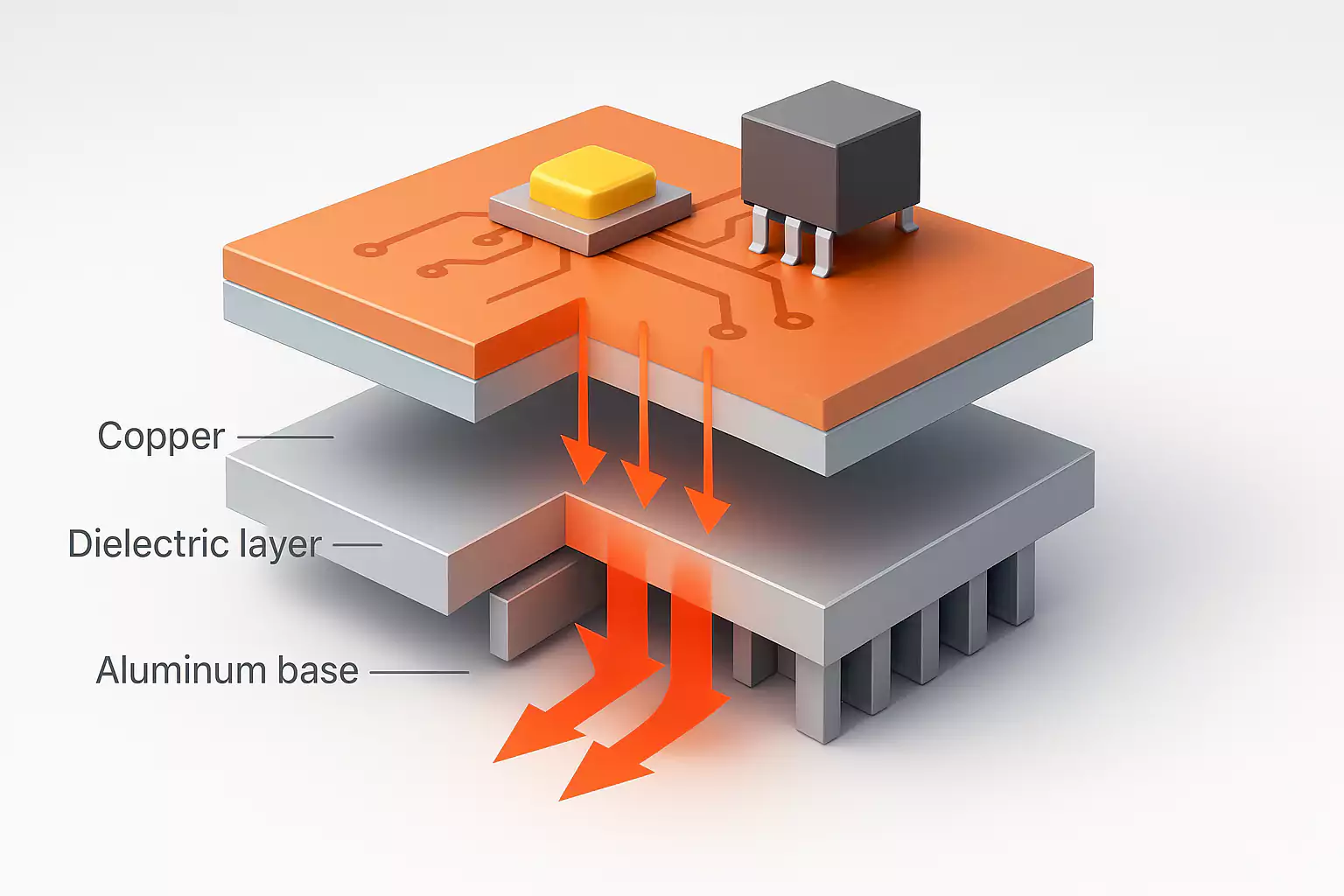
Aluminum PCB (MCPCB) guide: structure, thermal path, failures, and assembly tips for LED drivers & ballasts. Design cooler, build longer-lasting products.
FR4 PCB Guide: Key Specs, Stack-Ups & When to Use Alternatives
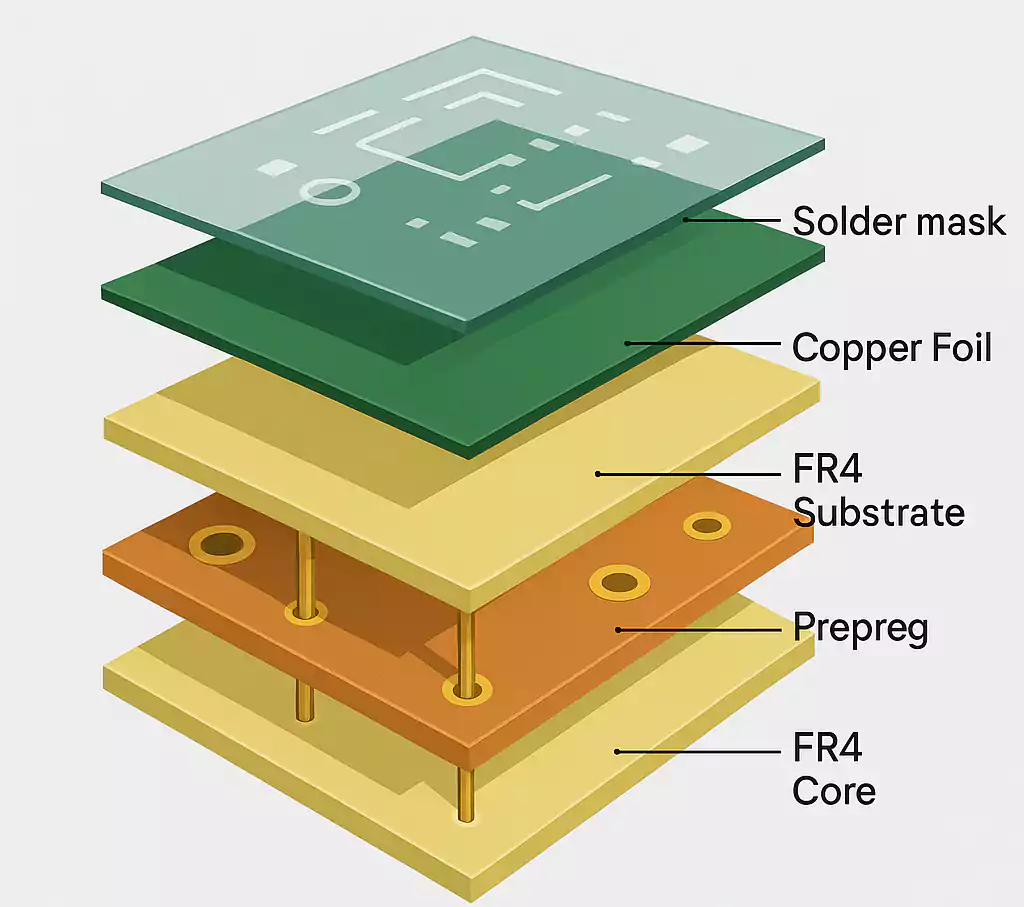
Learn what FR4 PCB is, key specs, stack-up tips, when to use aluminum or low-loss laminates, and a practical selection checklist for reliable designs.
PCB Board Material Guide: FR-4 vs Ceramic vs Aluminum — How to Choose
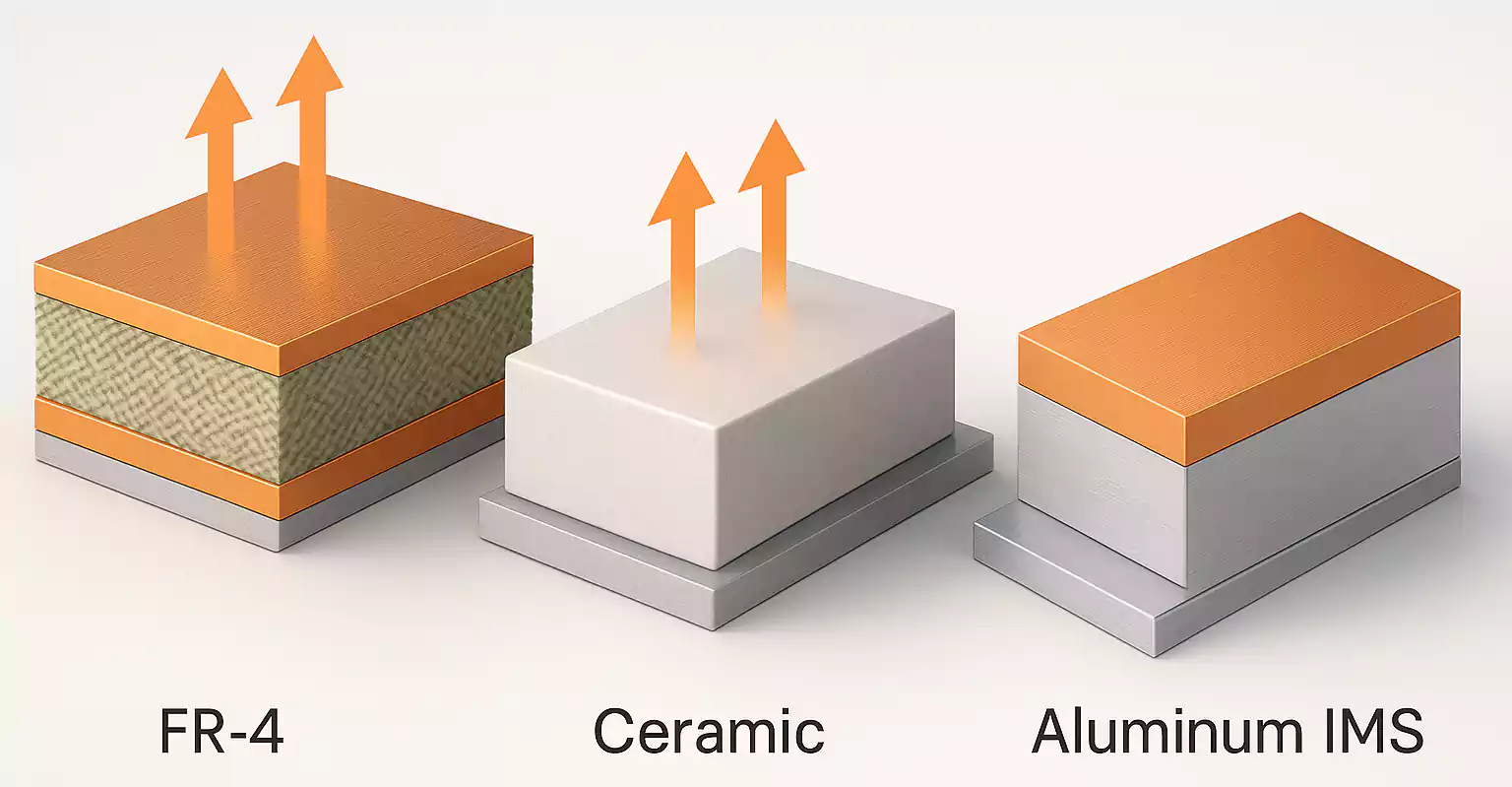
Learn how to choose the right PCB board material — FR-4, ceramic (AlN/Al₂O₃) or aluminum. Compare Tg, Dk/Df, copper weight and real-world use cases.
Copper Foil for PCBs: Types, Properties, and How to Choose for High-Frequency & Flexible Boards

Discover how modern copper foil (ED, DSTF/RTF, rolled-annealed) shapes PCB performance—covering purity, resistivity, adhesion and specialty foils (resistive, ultra-thin) for high-density and flexible designs.